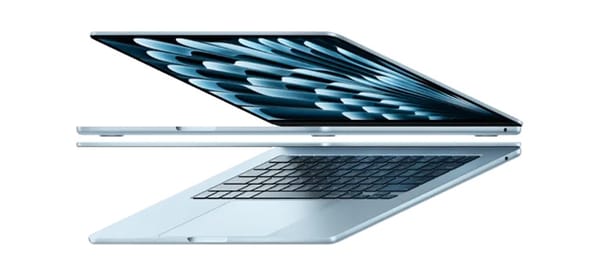
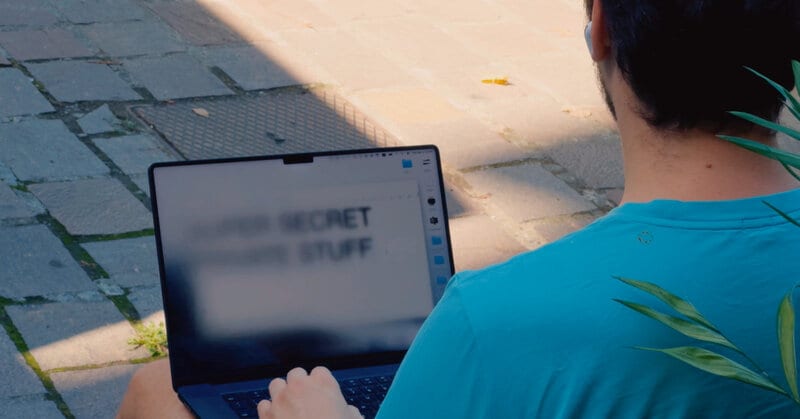
Developer Max Rovensky created ShyGlass to blur a Mac display when AirPods sense the wearer has turned away, giving laptop users in cafés, trains, and hotel lounges a quick shield from nearby eyes. The blur lifts when the user faces the screen again, turning a glance away into an automatic privacy step instead of a manual shortcut.
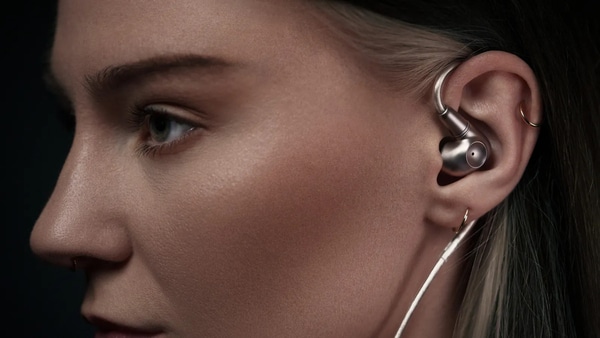
ShyGlass taps the same AirPods motion data used for dynamic head tracking, then watches for drift from a calibrated center point set in the menu bar. The blur starts at 15 degrees by default. The $4 app runs on macOS 14 or later and requires supported AirPods.
At $4, ShyGlass turns an existing Apple audio feature into a low-cost privacy layer for people who work on the move. The AirPods requirement keeps it niche, but it also shows how built-in sensor data can widen the market for lightweight screen-protection apps.
Image Credit: 9to5Mac
What's Driving This Trend
- Wearable-triggered Privacy
- Motion signals from everyday earbuds create new space for passive screen protection that adapts to user attention in public work settings.
- Ambient Security Automation
- Background security tools are shifting toward invisible, context-aware safeguards that reduce reliance on manual shortcuts and user vigilance.
- Repurposed Sensor Software
- Existing consumer hardware sensors can support niche software layers that unlock fresh value without requiring new devices or accessories.
Who This Affects Most
- Productivity Software
- Mobile work tools can differentiate through lightweight privacy features that fit naturally into laptop workflows for travelers and hybrid professionals.
- Consumer Electronics
- Earbuds and other connected accessories are becoming platforms for secondary functions that extend their utility beyond audio and entertainment.
- Cybersecurity
- Privacy protection is expanding toward physical-world exposure risks, creating demand for simple defenses against visual data leakage in shared spaces.