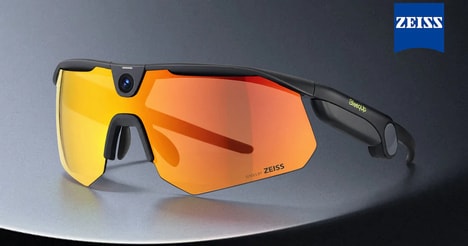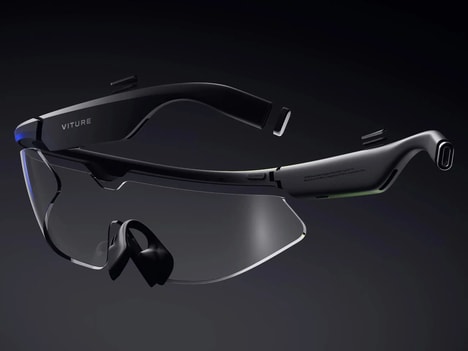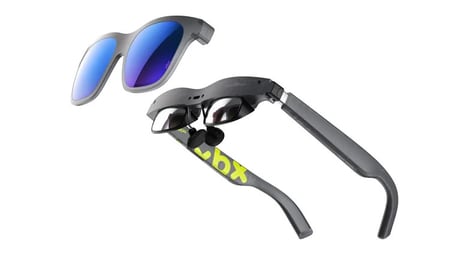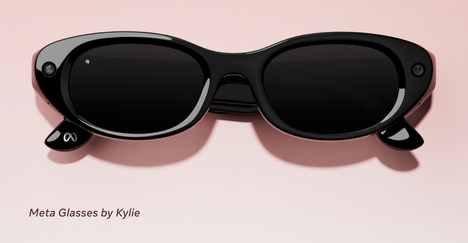
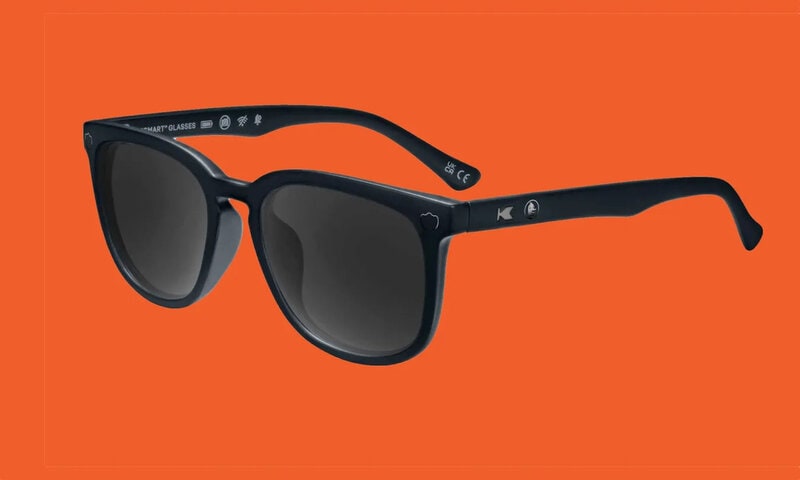
Smart glasses with built-in cameras cause persistent unease in some people, who can never be sure whether an ordinary glance is being recorded, and the Knockaround x DuckDuckGo Paso Robles dropped as "the world's most innovative anti-surveillance sunglasses." Free from a camera, microphone, artificial intelligence, a battery or electronics of any kind, these matte black sunglasses were developed to do just one thing exceptionally well: shield eyes from the sun.
As tech giants are locked in a race to pack more features into smart sunglasses, the protective eyewear DuckDuckGo designed with Knockaround offers a quiet kind of relief: no lens staring back at them, no data being gathered, just simple, straightforward sun protection and privacy.
What Makes This Trend Stand Out
- Anti-surveillance Accessories
- Privacy-forward consumer goods are creating space for low-tech alternatives that signal safety, consent and personal boundaries in increasingly sensor-filled public environments.
- Dumb-tech Luxury
- Products intentionally stripped of connectivity, AI and data collection are gaining cultural value as premium counterpoints to feature-heavy smart devices.
- Privacy-coded Design
- Visible design cues that communicate non-recording status offer brands a way to reduce social friction around wearables and rebuild trust through restraint.
Sectors Adopting This
- Eyewear
- Sunglasses and optical brands can differentiate through privacy-conscious positioning that prioritizes comfort, simplicity and social acceptability over embedded technology.
- Consumer Electronics
- The backlash against always-on smart hardware highlights demand for companion products and analog alternatives that address surveillance fatigue.
- Digital Privacy
- Privacy-focused companies are extending brand relevance into physical products that embody data protection values beyond software and search tools.