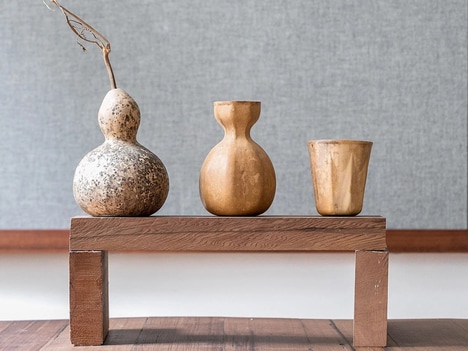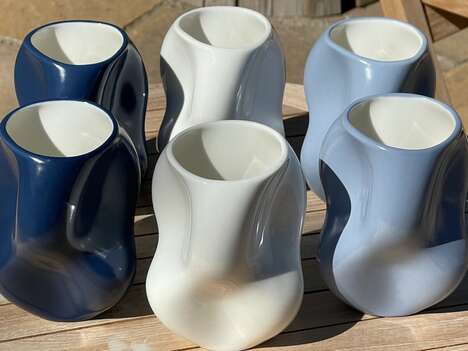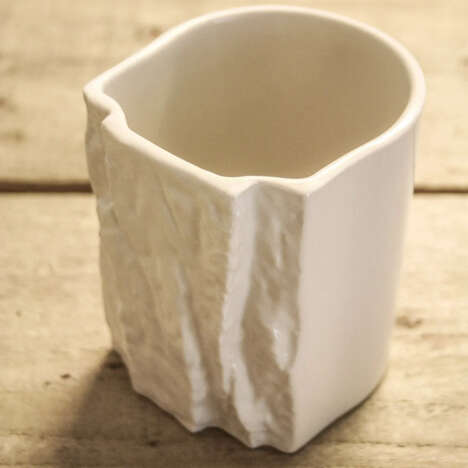
Paper was central in the development and acceleration of society as we know it today, and Dutch designers Scholten & Baijings were inspired by that monumental material in the creation of the HAY Paper Porcelain Espresso Cup. The cup was originally a completely paper prototype, and the designers opted to cast it in porcelain after seeing its functional beauty.
The HAY Paper Porcelain Espresso Cup doesn't only owe its shape to paper. In fact, the cup is "realized in a fine ceramic that perfectly mimics the original", according to the MoMA Store where it's sold. The designers created a special blend of porcelain with flecks of iron embedded in it, giving the cup a speckled appearance that looks very similar to the rough appearance of recycled paper (though the cup itself is actually pleasingly smooth).
Key Themes Behind This Trend
- Recycled Material Products
- There is a growing trend in the market for products made from recycled materials, offering opportunities for innovative designs and sustainable solutions.
- Functional Beauty
- The combination of aesthetic appeal and practical functionality is becoming increasingly important, presenting opportunities for designers to create visually pleasing yet useful products.
- Material Innovation
- Exploring new materials and their properties, such as porcelain with embedded elements, opens up possibilities for unique and unexpected design ideas.
Where This Applies
- Home Decor
- The home decor industry can benefit from incorporating recycled materials in their products, offering eco-friendly options for consumers.
- Tableware
- The tableware industry can tap into the trend of functional beauty by offering beautifully designed and practical products like the HAY Paper Porcelain Espresso Cup.
- Material Science
- The field of material science can find disruptive innovation opportunities by experimenting with new combinations of materials to create unique textures and appearances.