Researchers from Harvard SEAS (the university's school of engineering and sciences) have developed a counterintuitive camouflage system.
Of all the creatures in the animal kingdom, the peacock is the least likely to be associated with stealth -- on the contrary, peacocks are famous for their desire to stand out. However, the Harvard SEAS researchers have discovered a quality of colorful feathers that can be manipulated to create camouflage.
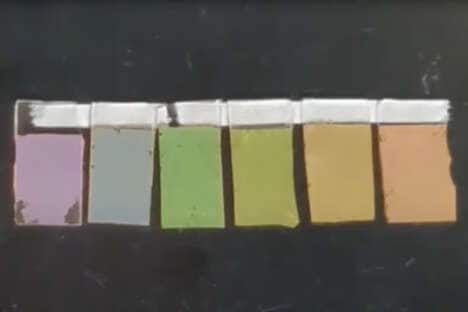
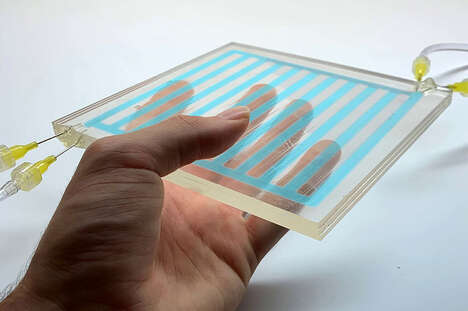
The new camouflage technique is actually based on the feathers of the plum-throated cotinga (rather than a peacock,) but a cursory glance at the continga will make the camo paradox is no less apparent. The bird has an electric blue coat with a neon pink throat. However, by understanding how the feathers are able to diffuse other colors of light while highlighting these bright ones, the researchers created a camouflaging metal alloy.
What Makes This Trend Stand Out
- Counterintuitive Camouflage
- Exploring the use of unexpected elements and properties in camouflage design.
- Biomimicry in Camouflage
- Drawing inspiration from animal features and adaptations for innovative camouflage systems.
- Optical Manipulation for Camouflage
- Developing techniques to manipulate light and colors for effective camouflage.
Sectors Adopting This
- Military and Defense
- Leveraging counterintuitive camouflage techniques to enhance stealth capabilities and protection in military operations.
- Fashion and Textile
- Applying biomimetic principles in textile design to create innovative and visually striking camouflage patterns.
- Materials Science and Engineering
- Advancing optical manipulation technologies for the development of camouflage materials with enhanced adaptive properties.