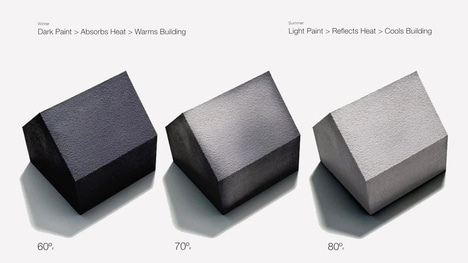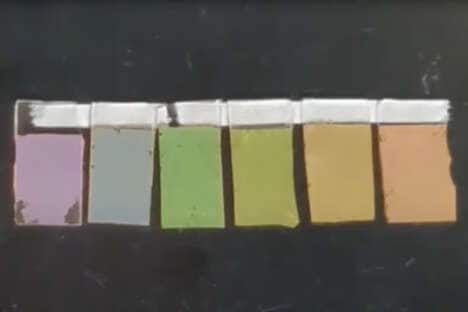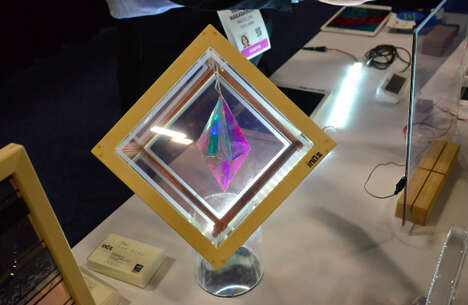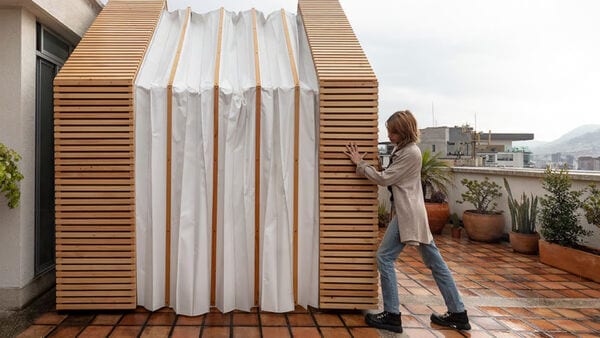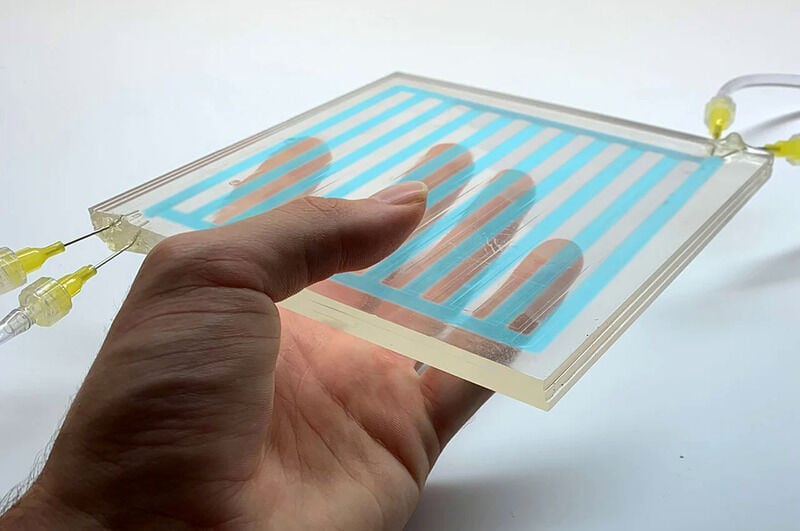
The researchers at the University of Toronto have been working on a new development that is a liquid-filled panel inspired by the functions of squid. Specifically, they learn about the color-changing skin and fluctuating purpose of the animal to create a multiple-layered system to bring down energy costs. It tackles the issue of heating, cooling, and lighting of buildings as many lose their energy to glass-pane windows.
Squids are able to move a pigment in their skin to alter the tonal look of their skin. The researchers use a device that mimics this movement and moves various liquids including dry solutions, carbon powder suspensions, and glycerol by channeling this into thin plastic sheets. Benjamin Hatton, a professor at the University notes, “It’s an advantage that this approach can use simple, relatively inexpensive, non-toxic, aqueous fluids.”
Image Credit: University of Toronto
What's Driving This Trend
- Smart Windows
- Developing liquid-filled panels for smart windows inspired by squid skin can be a disruptive innovation in the construction and energy industry.
- Energy-efficiency
- Using liquid-filled panels for smart windows can be a trend to reduce energy loss and promote environmentally responsible construction practices.
- Mimicry-technology
- The development of a device that mimics the movement of squids to control liquid-filled panels could pave the way for new advancements in construction materials and designs.
Who This Affects Most
- Construction
- Developing liquid-filled panels for smart windows can revolutionize construction practices by promoting energy-efficient, sustainable, and innovative building materials.
- Energy
- Incorporating smart windows that reduce energy loss and promote energy efficiency could be a disruptive innovation in the energy industry by reducing the need for traditional heating, cooling, and lighting solutions.
- Material Science
- The development of a device that can control liquid-filled panels using mimicry-technology can lead to new innovations in the research and development of advanced material science materials.