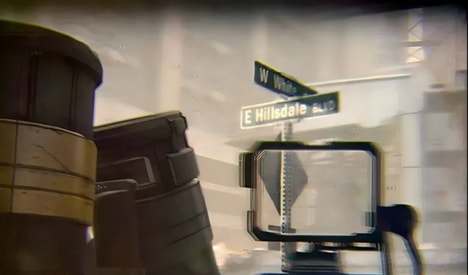
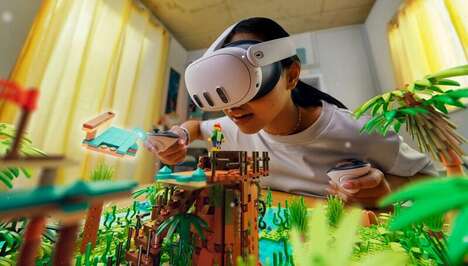
Looking more like an art house short film than a video game, 'Harold Halibut' is poised to be the only fully interactive video game in the world that completely abandons 3D digital graphics for physical materials. Using real-world materials like clay, welded metal, wood and textiles, 'Harold Halibut' is a diorama that gamers can control.
As one might guess based on the gameplay footage from the teaser video, the technology behind 'Harold Halibut' leans heavily on stop-motion animation. And while each frame is indeed hand-made with physical materials, the game uses digital technology to string the movements together.
This work-intensive game is still in its development, with a release date set for no earlier than 2018. By that time, it's very possible that consumers will be aching for a more "real" gaming experience than the digital games to which they're accustomed.
Key Themes Behind This Trend
- Physical Gaming Experience
- The trend of creating video games using physical materials like clay and metals presents an opportunity for innovative gaming experiences.
- Stop-motion Animation
- The trend of incorporating stop-motion animation in video games allows for unique and visually stunning gameplay.
- Hybrid Gaming Technology
- The trend of combining physical materials with digital technology in video games opens up possibilities for immersive gaming experiences.
Where This Applies
- Video Game Development
- The video game development industry can explore the opportunity of creating games that use physical materials and stop-motion animation.
- Animation and Film Production
- The animation and film production industry can adopt the use of stop-motion animation in video game development to create visually captivating experiences.
- Gaming Hardware
- The gaming hardware industry can innovate by developing controllers and accessories that enhance the physical gaming experience.