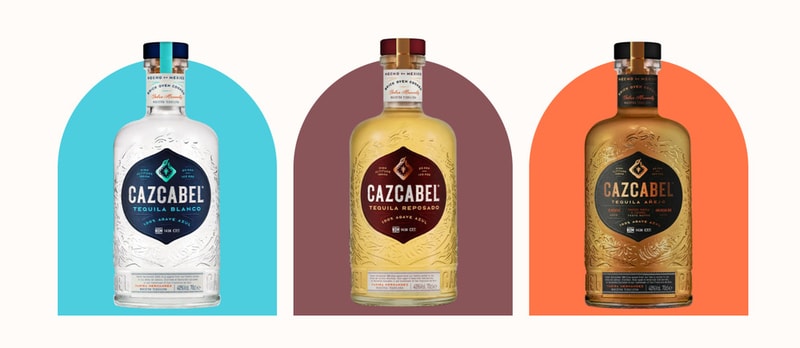
Cazcabel converted its Hacienda Cazcabel distillery to run on 95% solar power, installing 941 panels to cut reliance on nonrenewable energy. The Vazquez family, which has farmed agave for four generations, designed the upgrade to sit alongside existing on-site production practices.
The estate emphasized integrated sustainability, with larger, higher-brix agave plants requiring fewer units per bottle and fields rested for at least two years to restore soil health. All agave fiber is composted into over a million tonnes annually and distillery wastewater is collected for treatment and reuse. The solar rollout reduces the brand’s carbon footprint while supporting local employment of more than 500 people and funding reforestation efforts.
For consumers, the move signals more traceable, lower-impact Tequila production that aligns with rising demand for climate-conscious spirits.
Image Credit: Cazcabel
Why This Trend Is Growing
- Solar-powered Distillation
- A shift to on-site solar arrays for spirit production can dramatically lower operational carbon footprints and energy costs while enabling decentralized, resilient supply chains.
- Regenerative Agave Farming
- Longer fallow periods and selection for higher-brix plants are creating a move toward soil-restorative, yield-efficient agave systems that enhance terroir and product differentiation.
- Circular Waste-to-resource Systems
- Composting of agave fiber and treatment-plus-reuse of distillery wastewater point to integrated resource loops that reduce inputs and generate secondary value streams.
Industries Being Reshaped
- Beverage-alcohol and Spirits
- Premiumization trends tied to traceability and lower environmental impact are reshaping brand positioning and supply-chain design within tequila and wider spirits markets.
- Renewable Energy for Manufacturing
- Distributed solar installations paired with energy-storage solutions are emerging as transformative infrastructure for energy-intensive rural processing facilities.
- Sustainable Agri-inputs and Services
- Soil-restoration services, high-brix planting stock, and composting technology are forming new markets that support regenerative cropping and circular on-farm economies.