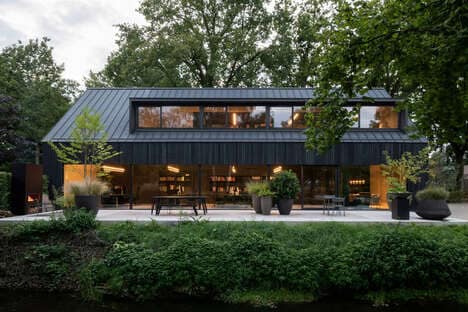
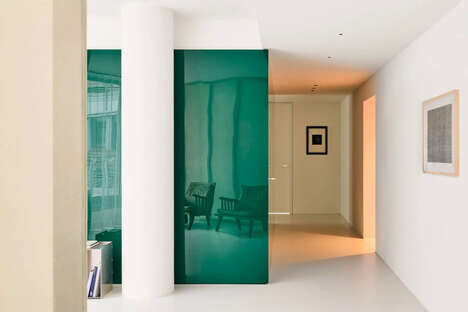
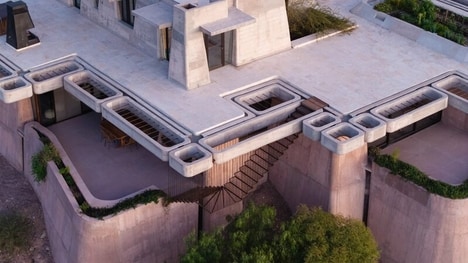
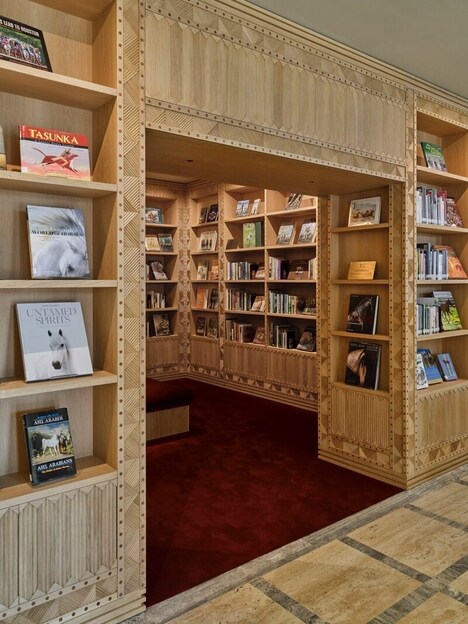
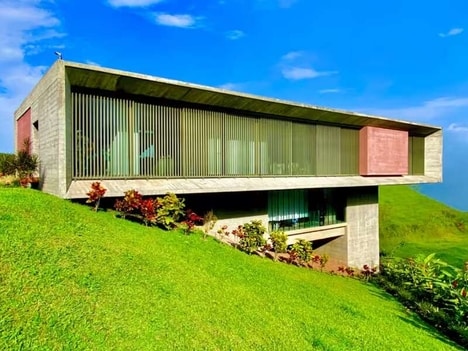
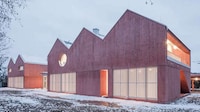
Griss Equine Veterinary Practice doesn't look like what one would expect from the office of a veterinarian who works on horses. Rather than a typical gabled barn design, Griss Equine Veterinary Practice adopt a distinctly brutalist architecture, which is truly surreal in appearance compared to the surrounding animals and environment.
Griss Equine Veterinary Practice is located in Rankweil, Austria, a small village at the end of the Rhine Valley. Though the building would look at home in the heart of a city, it is placed in the middle of an expansive lea. Already, such a setting coupled with a brutalist structure seems odd. Add in the equine clientele, however, and the entire gestalt is one that could have been dreamed up in a postmodern art film.
Key Themes Behind This Trend
- Brutalist Architecture in Non-traditional Settings
- Exploring the use of brutalist architecture in unexpected locations and industries, such as veterinary offices, to create a unique and memorable experience for customers.
- Integration of Nature and Architecture
- Combining natural landscapes with architectural design to create visually striking and harmonious spaces, as seen in the Griss Equine Veterinary Practice.
- Postmodern Influences in Design
- Embracing postmodern art and design elements to create unconventional and unconventional structures that challenge traditional norms and expectations.
Where This Applies
- Veterinary Services
- Adopting unique architectural styles and designs in veterinary clinics to enhance the overall experience and differentiate from competitors.
- Architecture and Design
- Exploring the use of brutalist architecture and postmodern influences in non-traditional settings, such as veterinary offices, as a way to create innovative and visually stunning structures.
- Art and Film
- Drawing inspiration from postmodern art and film to create surreal and unconventional architectural designs that stimulate creativity and imagination.