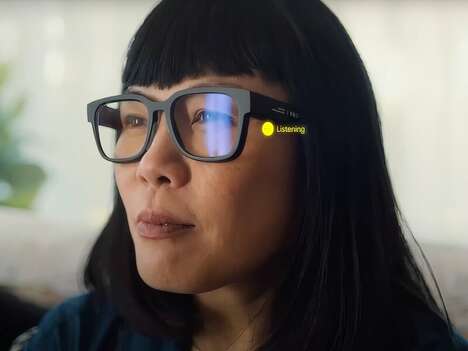


Warsaw's Institute of Cardiology is perfecting heart surgery procedures with the help of AR-powered Google Glass headsets. Doctors at the polish medical center recently used Google Glass headsets -- equipped with head-mount display technology -- during a cardiology procedure that required a coronary artery to be unblocked.
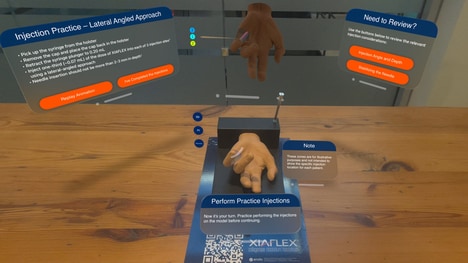
The patient undergoing the successful procedure was a 49 year-old male whose coronary artery was repaired with the help of Google's AR-powered devices. Doctors were able to open up the man's artery while displaying his "coronary computed tomography angiography (CTA) reconstructions and 3D data sets" on their headsets rather than using a traditional monitor display.
In addition to giving doctors a more precise view of their subject's organs, the Google Glass headsets also enhanced the surgeons' overall sense of focus during the medical procedure.
Key Themes Behind This Trend
- Ar-powered Medical Procedures
- Adopting AR technology in medical procedures can enhance precision and provide surgeons with a more immersive view of patients' organs, improving surgical outcomes.
- Head-mounted Display Technology
- The use of head-mounted display technology, such as Google Glass, in healthcare allows doctors to view and interact with important medical data without the need for traditional monitor displays.
- Augmented Reality in Surgery
- Augmented reality can revolutionize surgical procedures by providing real-time, 3D visualizations of patients' internal structures, leading to more accurate and efficient surgeries.
Where This Applies
- Healthcare
- The healthcare industry can benefit from adopting AR-powered devices like Google Glass headsets to improve surgical precision and enhance doctors' focus during medical procedures.
- Medical Technology
- The field of medical technology can explore the development of advanced head-mounted display devices to revolutionize surgical procedures and enhance doctors' capabilities.
- Surgical Equipment
- Companies specializing in surgical equipment can leverage augmented reality to create innovative tools that provide surgeons with real-time, 3D visualizations, improving surgical outcomes.