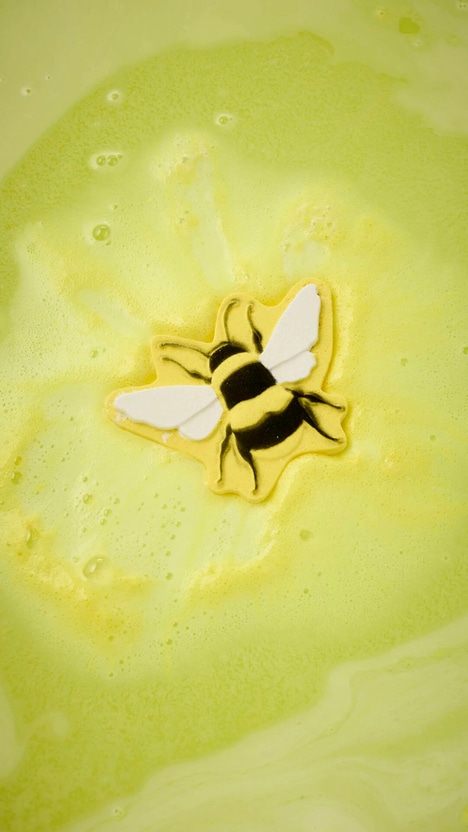
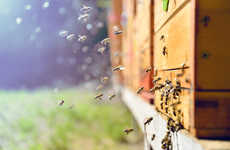

In honor of National Pollinator Month, Whole Kids Foundation partnered with top chefs and celebrated restaurants to launch the 'Give Bees a Chance' campaign. The campaign hopes to raise $100,000 in order to fund 50 beehives to be used educationally in schools. 100% of every dollar raised will be donated to support the initiative.
According to 'Give Bees a Chance,' 1 in 3 bites of food is only possible thanks to bees and other pollinators. Bees pollinate over 100 different types of crops in the U.S.; therefore, the predicted loss of this key pollinator would negatively impact agriculture in America. The campaign partnered with top chefs and restaurants in order to showcase the vital role bees play in our food supply chain with bee produced dishes.
Since its launch in 2011, Whole Kids Foundation and The Bee Cause Project has distributed over 400 beehives for education. By teaching the youth of today, Give Bees a Chance hopes to promote a new generation of bee lovers.
Photo credit: Whole Foods
What's Driving This Trend
- Pollinator Conservation Campaigns
- Businesses can support pollinator conservation campaigns to help protect bees and other pollinators who play a vital role in our food supply chains.
- Food Education for Children
- Companies can create educational initiatives that focus on educating children about where their food comes from and the role that pollinators play in the food supply chain.
- Sustainability Partnerships
- Partner with sustainability-focused organizations or non-profits to create campaigns and initiatives that benefit both business and the environment.
Who This Affects Most
- Food and Beverage Industry
- The food and beverage industry can take action to ensure they are supporting pollinators in their supply chains by partnering with conservation organizations and sourcing ingredients from sustainable sources.
- Education Industry
- The education industry can teach children about the importance of pollinators and provide hands-on learning opportunities that connect the dots between food production and environmental ecosystems.
- Non-profit Industry
- Non-profit organizations can partner with businesses to create sustainability-focused initiatives that benefit both parties and boost awareness for important causes such as pollinator conservation.