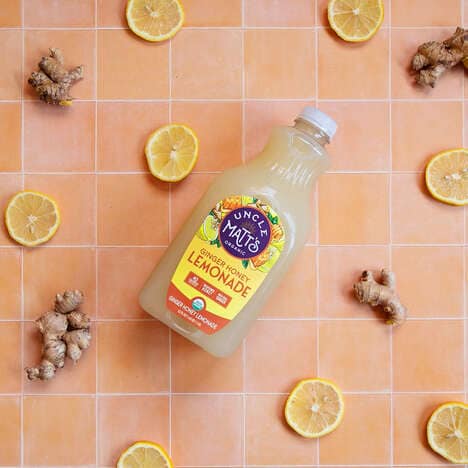

Ginja Snap is a non-carbonated, functional ginger water beverage that's made with just five simple ingredients—water, ginger root, honey, lemon juice, and lime juice—that serve up a taste of authentic ginger ale.
“I noticed that most ginger beverages were carbonated, overly sweet, or artificial,” said Shaakira DeLoatch, founder, operator, and owner of Ginja Snap. “Ginger was being used as flavor, not as the ingredient itself. I wanted a taste that you can feel.” Ginja Snap was born out of necessity when a persistent sore throat sent Shaakira searching for relief and a trusted friend offered a simple but time-honored suggestion: boil fresh ginger root. That small act of kitchen wisdom became the spark for something far bigger, a brand rooted in the belief that real, recognizable ingredients are often the most powerful solutions of all.
Image Credit: Foster K. White
Key Themes Behind This Trend
- Non-carbonated Functional Beverages
- Still wellness drinks are creating space for alternatives to sparkling sodas and kombuchas by pairing everyday hydration with targeted benefits and gentler sensory profiles.
- Ingredient-led Wellness
- Real roots, juices, and pantry staples are reshaping consumer expectations around efficacy as shoppers gravitate toward formulas that feel recognizable, traditional, and minimally processed.
- Remedy-inspired Refreshment
- Traditional home remedies are moving into modern beverage formats, turning familiar wellness rituals into convenient products with emotional resonance and premium positioning.
Where This Applies
- Functional Beverages
- The category is expanding beyond energy and probiotics as brands use simple botanical ingredients to deliver approachable wellness benefits without artificial sweetness or carbonation.
- Natural Foods
- Clean-label food and drink makers are finding differentiation in short ingredient lists that connect authenticity, flavor, and perceived health value in one product experience.
- Health and Wellness
- Preventive wellness markets are increasingly influenced by culturally familiar remedies, giving consumer brands room to translate trusted household practices into scalable packaged offerings.