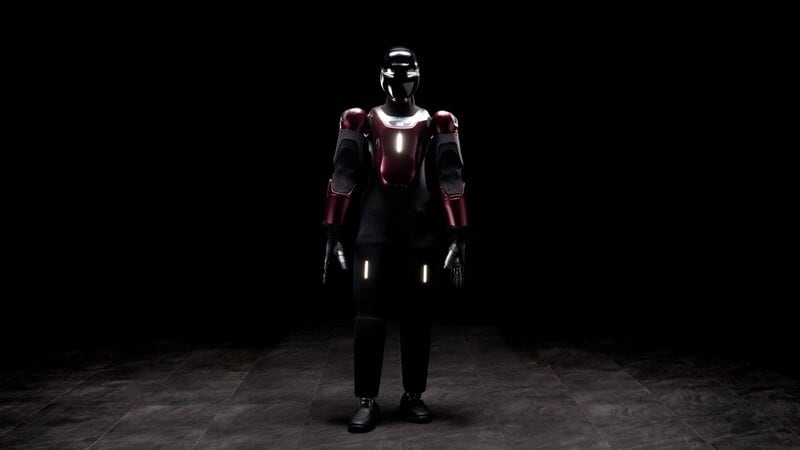
Generative Bionics introduced Gene.01, a humanoid robot covered in smart sensing skin that detects touch, temperature, proximity and force. Developed by the Italian startup using a Physical AI approach, the platform integrates its body, mechanics and movement control while distributing sensors across the torso and limbs to anticipate nearby human activity.
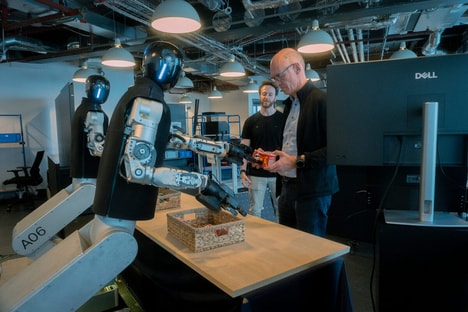
The sensor network also allows workers to physically guide the robot during training, helping Gene.01 learn appropriate grip force and movement through direct contact rather than video demonstrations alone. The platform can be customized with task-specific AI, exterior designs and interchangeable end effectors for different industrial applications.
For factories where humans and humanoids work side by side, Gene.01 could support safer, more responsive interactions while simplifying hands-on training. Generative Bionics is also pursuing a European actuator and supply-chain ecosystem aimed at supporting regional manufacturing, compliance and safety standards.
Image Credit: Generative Bionics
Key Themes Behind This Trend
- Tactile Humanoid Robotics
- Sensor-covered robot bodies create openings for safer collaborative automation that can interpret pressure, touch, proximity, and temperature in real time.
- Contact-based Robot Training
- Hands-on physical guidance enables faster skill transfer for industrial robots, reducing reliance on large video datasets and specialized programming workflows.
- Customizable Physical AI
- Modular robot platforms with task-specific intelligence, exterior designs, and interchangeable end effectors point to flexible automation systems tailored to diverse work environments.
Where This Applies
- Industrial Automation
- Factories gain potential for more responsive human-robot collaboration as humanoids learn force control and movement directly from worker interaction.
- Advanced Manufacturing
- Regional actuator and component ecosystems support localized robotics production aligned with compliance, safety, and supply-chain resilience requirements.
- Workplace Safety Technology
- Distributed sensing across robotic bodies introduces new safety infrastructure for anticipating nearby human activity and reducing collision risks in shared spaces.