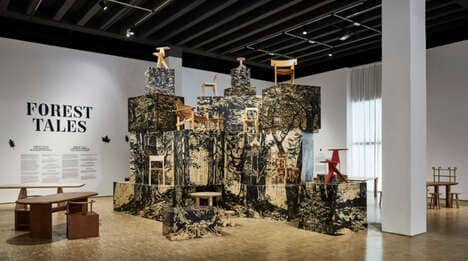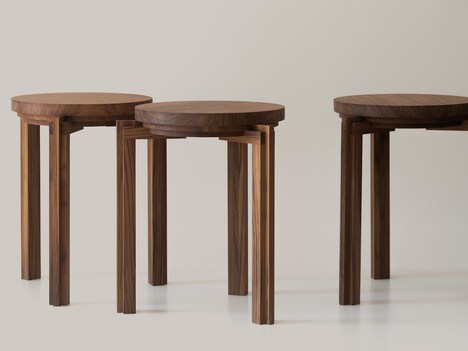
‘Bang’ is a stacked furniture art installation created by Ai Weiwei for the Venice Art Biennale 2013. Weiwei’s installation makes a commentary on the artistic and cultural state of China; every household has “at least one stool which serves a range of purposes and that is passed down through each generation,” according to the artist.
Although there are 886 three-legged wooden stools stacked high for the exhibit, this represents a decline in traditional craftsmanship after the cultural revolution. As wood began to be replaced with easily mass-produced materials like metal and plastic, handmade stools were similarly replaced by machine-made ones.
It is staggering to think that all of these stools were meticulously cut, carved and painted by hand. A single old wooden stool may not be anything to stop and think twice about, but this installation sure is.
Photo Credits: designboom, deutscher-pavillon.org
What Makes This Trend Stand Out
- Upcycled Furniture
- Upscaling old furniture to create sustainable and unique new pieces presents an opportunity for artisanal-focused disruption.
- Handcrafted Art Installations
- Handmade installations showcase the value and artistry of traditional crafts and can foster appreciation for locally-made and sourced goods.
- Cultural Commentary Art
- Fine art can provide a platform for commentary on cultural traditions and histories, inciting dialogue and reflection.
Sectors Adopting This
- Art and Design
- Artists and designers can utilize discarded materials to create one-of-a-kind pieces with sustainable and artistic value.
- Furniture and Home Decor
- Furniture makers and upcyclers can capitalize on the growing demand for unique and eco-friendly home decor by offering handmade and upcycled pieces.
- Cultural Preservation and Heritage
- Organizations and initiatives that preserve and promote cultural heritage can benefit from artistic commentary on traditional crafts and practices to raise awareness.