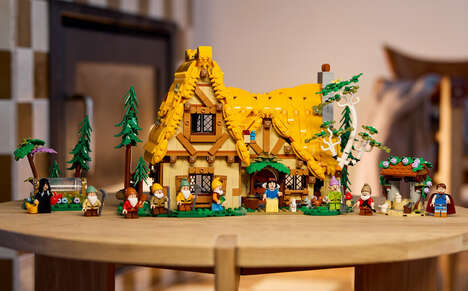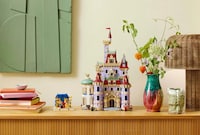
It may not be blue and icy, but otherwise, this 3D-printed Frozen castle created by industrial engineer Mariano Gros Bañeres is an exact replica of where Queen Elsa of Arendelle lives.
Since 3D printing is mostly a hobby for Bañeres, he was asked to create a princess castle for a coworker's daughter. Despite the popularity of the Frozen franchise, there were no 3D modeling templates online for Bañeres to work off of. To create this castle, he took to Sketchup and created a design with over 44 individual pieces. Printing tool over 10 hours and fabrication was more than a 120 hour process. Now that this one is out there in the world, you can bet that there will be thousands of Frozen fans who want one of their own.
What Makes This Trend Stand Out
- 3d-printing Toys
- 3D printing is a growing trend in the toy industry, providing a market opportunity for hobbyists and manufacturers alike.
- Customizable Toy Designs
- The lack of templates for this Frozen castle demonstrates a need for customizable designs that can be easily accessed and modified by consumers.
- Long Printing and Fabrication Processes
- Long printing and fabrication times for 3D-printed toys may provide opportunities for innovation in streamlining the production process.
Sectors Adopting This
- Toy Manufacturing
- 3D printing is a disruptive innovation in the toy industry, challenging traditional manufacturing methods.
- Hobbyist Markets
- The popularity of 3D printing in the hobbyist market presents a unique opportunity for individuals to create and customize their own toys.
- 3D Modeling Software
- The demand for customizable 3D-printed toys presents opportunities for companies that create 3D modeling software to make it accessible and user-friendly for consumers.