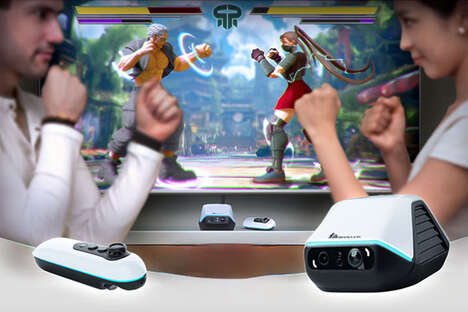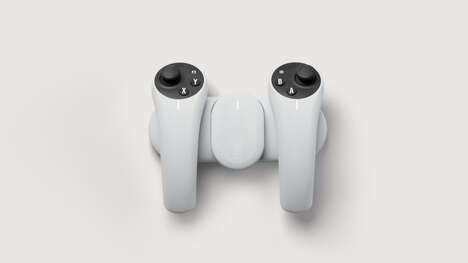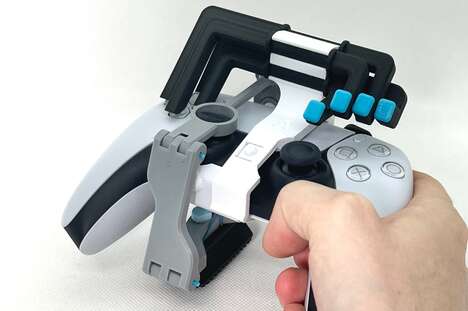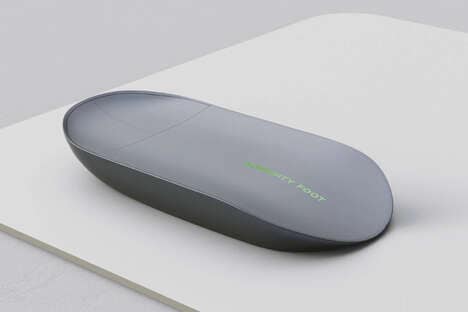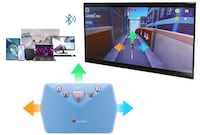


A trio of grad students working out of Johns Hopkins University have developed a high-tech foot attachment that is designed to make it possible for upper-body amputees to play games using their feet. The project was kickstarted by student Gyorgy Levay after he lost both his hands to a meningitis infection.
The so-called Game Enhancing Augmented Reality attachment comprises a pair of foot attachments, each of which is fitted with a trio of movement-detecting sensors. As the player moves their foot around, the attachments' circuits translate them into in-game movements. Once a user becomes accustomed to the foot attachment setup, they can use it to elicit as many as 20 different functions.
This wearable is an important innovation considering the finding that a large percentage of amputees suffer from depression, something which can be alleviated with technologies that allow them to partake in activities that they enjoy, such as gaming.
Why This Trend Is Growing
- Wearable Gaming Technology
- Developing wearable technology for gaming allows upper-body amputees to participate in activities they enjoy.
- Movement-detecting Sensors
- The use of movement-detecting sensors in gaming wearables opens up possibilities for precise and immersive gaming experiences.
- Alleviating Depression in Amputees
- Creating technologies that enable amputees to engage in activities that bring them joy can help reduce the prevalence of depression in this population.
Industries Being Reshaped
- Gaming
- The gaming industry could tap into the market potential of developing inclusive gaming wearables for people with physical disabilities.
- Prosthetics
- The prosthetics industry can explore the integration of gaming technology in their products to enhance the functionality and quality of life for amputees.
- Healthcare
- The healthcare industry can leverage gaming wearables as a therapeutic tool for mental health, promoting well-being and reducing depression in patients with physical disabilities.