Scientists discovered microbes can transform human waste back into food for astronauts. A research team from Penn State University showed it's possible for astronauts to turn their poop into space food using a series of microbial reactors capable of quickly breaking down both liquid and solid waste.
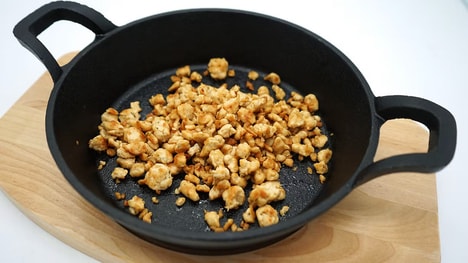
Researchers tested this using artificial feces, resulting in a 52% protein and 36% fat biomass. Christopher House, the Penn State professor leading the team, noted: "It's a little strange, but the concept would be a little bit like Marmite or Vegemite where you're eating a smear of 'microbial goo."
This food for astronauts is what future space colonizers could conceivably be eating, especially as academics continue to explore the idea of living on Mars.
Key Themes Behind This Trend
- Waste Transformation
- The trend of transforming waste into usable products or resources opens up opportunities for waste management systems and sustainable practices.
- Microbial Reactors
- The use of microbial reactors to break down waste and convert it into valuable resources has the potential to revolutionize various industries, such as food production and renewable energy.
- Alternative Food Sources
- The exploration of alternative food sources, such as food made from waste materials, offers disruptive innovation opportunities in the food industry and space colonization.
Where This Applies
- Waste Management
- The waste management industry can explore innovative methods like microbial reactors to efficiently process and convert waste into usable products.
- Food Production
- The food production industry can adopt technologies like waste transformation to create sustainable and alternative food sources.
- Space Exploration
- The space exploration industry can benefit from developments in waste-transformed food as it offers a viable solution for long-duration missions and space colonization.