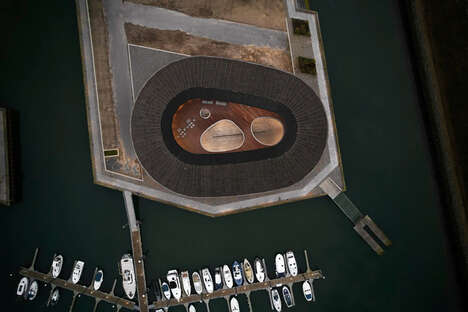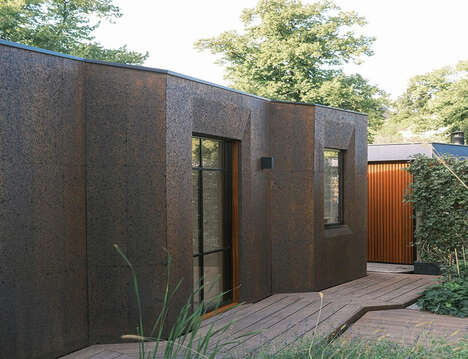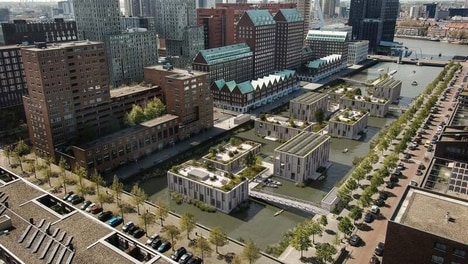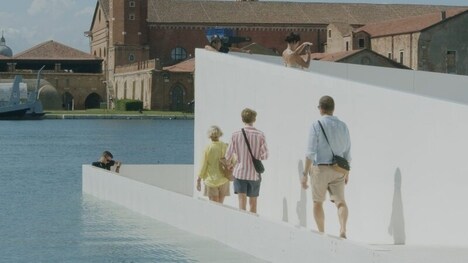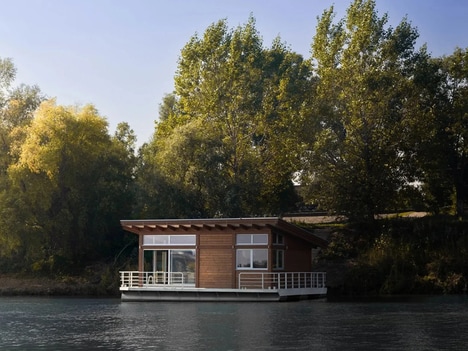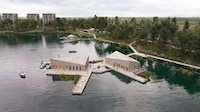
As urbanization, residential buildings and new architectural innovations make for overcrowded and busy cities, Australian architect Marshall Blecher and Danish designer Magnus Maarbjerg seek to reduce metropolitan clutter with a floating event space. The artificial wooden island is occupying the aquatic space in the Dutch harbor and is the first 20 square meter prototype for the Copenhagen Island project.
The artificial floating event space is not nearly sizable enough for big-scale celebrations, galas, lectures and the like. However, the platform is actively being utilized as a resting spot for kayakers and swimmers. Not only that, but the artificial island will host an upcoming "lecture series about the future of harbor cities."
Constructed by hand, the prototype also incorporates a single linden tree that undoubtedly gives it a more approachable and naturalistic aesthetic.
What's Driving This Trend
- Urbanization Reduction
- Creating floating event spaces to reduce overcrowding and provide alternative spaces for events in busy cities.
- Aquatic Utilization
- Designing artificial islands for recreational activities such as resting spots for kayakers and swimmers.
- Future of Harbor Cities
- Hosting lectures and discussions on the future of harbor cities on artificial floating event spaces.
Who This Affects Most
- Architecture
- Opportunity to develop innovative designs and structures for floating event spaces.
- Recreation and Tourism
- Creating artificial islands as new destinations for recreational activities and attracting tourists.
- Event Planning
- Exploring the potential of using floating event spaces for unique and immersive event experiences.