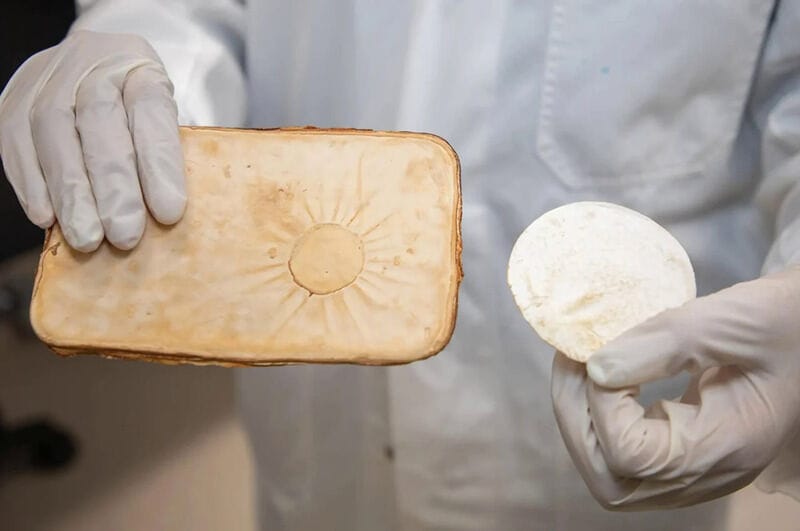
Fire-proof materials for buildings will always be of interest to architects and designers. Recently, a team of researchers at RMIT University in Melbourne announced their experiments with mycelium sheets as a fire-proof material that could potentially be used as building insulation in the future.
Mycelium is the vegetative part of a fungus, consisting of a network of thread-like structures called hyphae. The organic material has grown in popularity in recent years because of its malleability and its promise for sustainability,
RMIT University researchers were able to produce a thin mycelium layer through the process of bioengineering fungi. In order to continue pursuing this innovation and making the fire-proof material market-ready, the researchers will need too collaborate with the "mushroom industry."
Image Credit: RMIT University
What Makes This Trend Stand Out
- Fire-proof Materials
- Opportunity for creating innovative fire-proof materials using mycelium sheets.
- Building Insulation
- Opportunity to use mycelium sheets as an eco-friendly building insulation material.
- Sustainability
- Opportunity to leverage the malleability and sustainability of mycelium for various applications.
Sectors Adopting This
- Architecture
- Opportunity for architects to explore the use of mycelium sheets as fire-proof materials and insulation in building projects.
- Design
- Opportunity for designers to incorporate mycelium sheets as a sustainable and innovative material in their designs.
- Mushroom Industry
- Opportunity for collaboration between mycelium researchers and the mushroom industry to further develop and commercialize mycelium-based fire-proof materials.