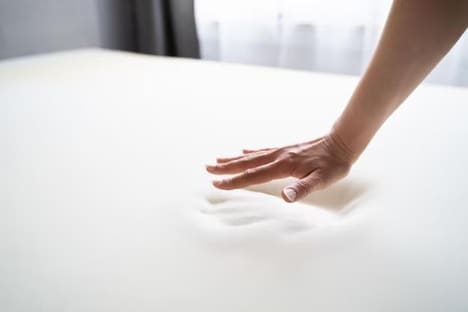

Researchers at Swinburne University introduced a new building insulation made by combining shredded mattress foam with the fungus Penicillium chrysogenum, featuring fungal growth that binds the foam into a solid, heat-resistant material. The team published their results in Scientific Reports late last year, positioning the process as a way to repurpose bulky mattress waste.
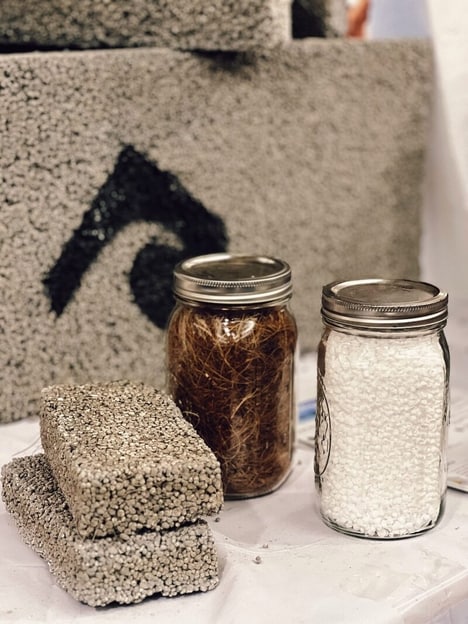
The composite formed mineral-rich bonds during fungal colonization, producing a lightweight, noncombustible substance that performed similarly to commercial insulators and resisted temperatures approaching 1,000 °C. The method relied on common chemicals and a fungus related to strains used in food and medicine, and the researchers noted potential for panels or 3D-printed building blocks.
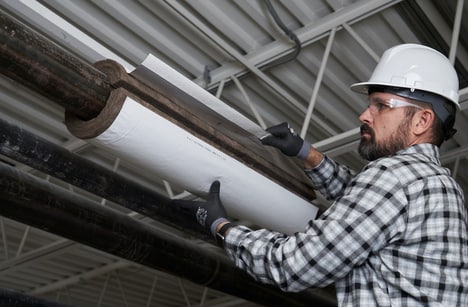
For consumers and builders this approach could cut landfill waste and offer a lower-impact insulation option, extending the life of discarded mattresses while aligning with circular-economy building trends. It demonstrated a practical bio-based route to safer, more sustainable construction materials.
Image Credit: Shutterstock / brizmaker
Key Themes Behind This Trend
- Circular Mattress Upcycling
- Repurposing discarded mattress foam into structural insulation creates a closed-loop material stream that reduces landfill volume and raw-material demand.
- Mycelial Mineral Bonding
- Fungal colonization that precipitates mineral-rich bonds yields a biologically driven binder capable of forming solid composites from loose polymeric waste.
- Heat-resistant Bio-composites
- Lightweight, noncombustible materials derived from fungus-bound foam demonstrate thermal stability approaching 1,000 °C, comparable to some commercial insulators.
Where This Applies
- Construction Materials
- Novel bio-based insulation panels and 3D-printed building blocks derived from mattress foam introduce alternative product categories with lower embodied carbon and improved fire performance.
- Waste Management and Recycling
- Transforming bulky mattress waste into higher-value construction feedstock creates new diversion pathways and revenue models for municipal and private recyclers.
- Additive Manufacturing for Construction
- Integration of fungal-bound composites into printable formulations enables the emergence of sustainable, on-demand production of structural and insulating components.