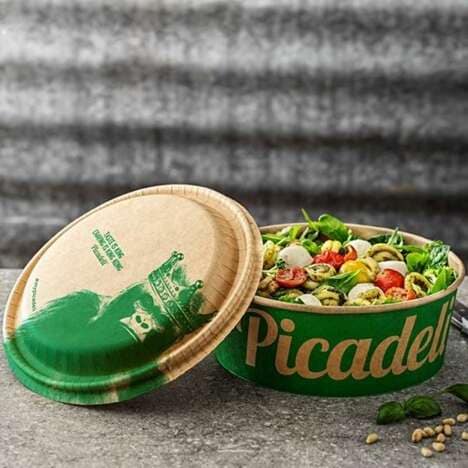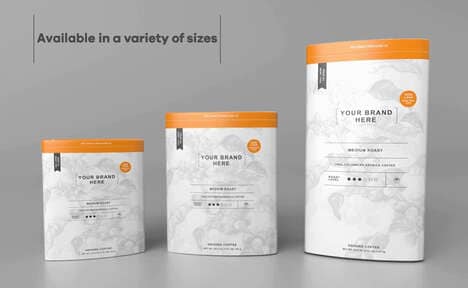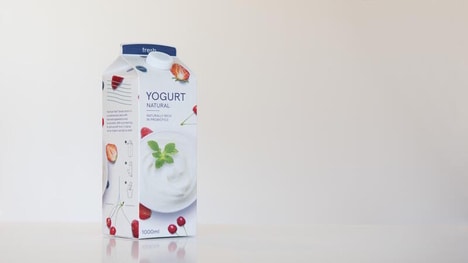
Picard, a French producer of frozen food, replaced its plastic tubs with fiber-based ice cream tubs. The innovation comes after a partnership with AR Packaging. The two companies teamed up to create ice cream boxes that contain 95% cartonboard.
Cartonboard is made from renewable fibers from sustainably managed forests. On the inside of the tubs, a thin layer of polyethylene (PE) is used to maintain the package's integrity while protecting the product inside. According to Gille Lapiqye, project manager for packaging at Picard, the company's main goal "is to find alternatives to plastic packaging when the product and its environment allow it." In addition, the fiber-based tubs are developed at AR Packaging's plant in Cholet, France.
Image Credit: Packaging Europe
What Makes This Trend Stand Out
- Fiber-based Packaging
- Fiber-Based Ice Cream Tubs are an example of the trend towards eco-friendly packaging solutions, where sustainable materials are being used to replace traditional plastic packaging.
- Sustainable Packaging
- The rise of a socially conscious consumer demographic means there is an opportunity for companies that adopt eco-friendly and sustainable packaging solutions such as AR Packaging and Picard.
- Renewable Fibers
- The use of renewable fibers such as cartonboard for packaging is a growing trend as consumers demand more sustainable and eco-friendly solutions.
Sectors Adopting This
- Food and Beverage
- Food and beverage industries can benefit from eco-friendly and sustainable packaging solutions to meet the rising demand from a socially conscious consumer demographic.
- Packaging
- The packaging industry can capitalize on the trend towards eco-friendliness with innovative and sustainable alternatives to plastic packaging.
- Retail
- With a focus on customer satisfaction, retail industries can utilize sustainable and eco-friendly packaging solutions to ensure their customers feel they are making responsible and environmentally conscious purchases.