Yelloway developed 'Yellowdish,' a Cavendish breeding line that makes Cavendish usable in conventional banana crosses. That gives breeders a way to combine disease resistance with the taste and appearance that keep Cavendish dominant, a step toward varieties built for drought and fungal pressure.
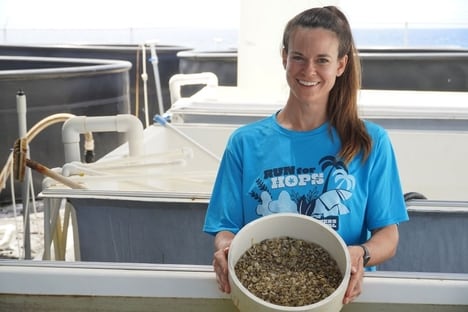
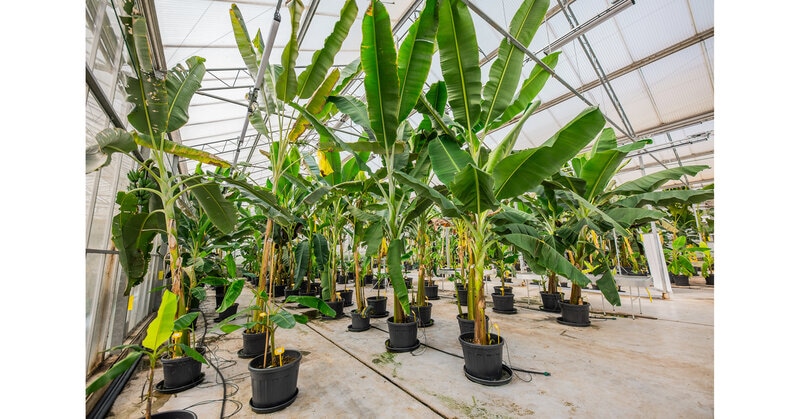
Cavendish normally has three sets of chromosomes, which makes it sterile in breeding. Yellowdish retains 100% Cavendish genetics while remaining fertile, and Yelloway has already crossed it with disease-resistant stock. Those crosses have produced plants in Yelloway's breeding facility, and the program still aims to place an early-release variety with key partners by 2030.
A fertile Cavendish line turns banana breeding toward buyer familiarity and farm resilience, since future fruit can retain seedlessness and ripening habits that retailers and growers already work with. The 2030 target makes Yellowdish a route to replace disease-vulnerable bananas without asking the trade to relearn the category.
Image Credit: Chiquita Yelloway
What Makes This Trend Stand Out
- Fertile Staple-crop Breeding
- Sterile commercial crop lines becoming breedable creates new pathways for preserving consumer-preferred traits while adding resilience against disease, drought, and climate volatility.
- Climate-resilient Fruit Varieties
- Fruit breeding programs centered on familiar taste, appearance, and handling characteristics can reduce supply-chain disruption as farms face rising fungal pressure and harsher growing conditions.
- Retail-compatible Crop Replacement
- Next-generation produce designed to match existing ripening, logistics, and merchandising systems may accelerate adoption by minimizing change for growers, distributors, and retailers.
Sectors Adopting This
- Agricultural Biotechnology
- Advanced breeding platforms that unlock fertility in dominant crop varieties expand the commercial potential for disease-resistant genetics without relying solely on transgenic modification.
- Fresh Produce
- Banana and tropical fruit suppliers gain value from replacement varieties that preserve category familiarity while improving field durability and long-term availability.
- Food Supply Chain
- Resilient crop inputs aligned with established retail and distribution practices create opportunities to stabilize sourcing, reduce transition costs, and protect high-volume produce categories.