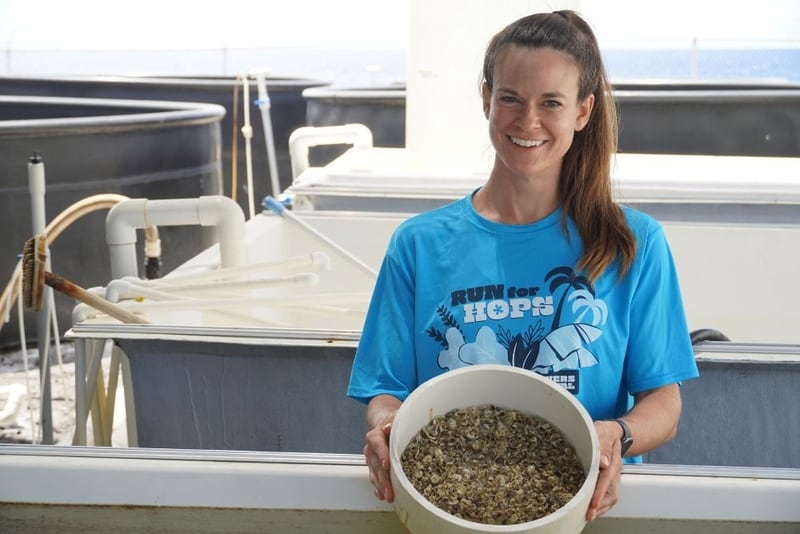
Pacific Hybreed is advancing hybrid aquaculture breeding to help seafood producers improve efficiency, sustainability, and farm resilience without relying on genetic modification. The company applies selective hybrid breeding techniques to oysters and clams, creating shellfish seed with stronger survival rates, more uniform growth, and improved harvesting consistency. Pacific Hybreed’s approach reportedly increases yields by roughly 30% while reducing harvesting costs through more predictable production cycles. By offering these performance gains at commodity-level pricing, the company enables shellfish farmers to improve profitability without changing their existing operations or infrastructure.
For the aquaculture industry, this reflects a growing shift toward biotech-supported food production focused on scalability and climate resilience. More durable shellfish seed can help farmers manage environmental stressors, reduce crop losses, and stabilize seafood supply chains. Investor interest in Pacific Hybreed also highlights rising demand for sustainable ocean farming technologies that strengthen both operational performance and long-term food security.
Image Credit: Pacific Hybreed
Why This Trend Is Growing
- Non-gmo Hybrid Breeding
- Growing adoption of selective hybrid techniques for oysters and clams creates alternatives to genetic modification that could transform yield and sustainability benchmarks in aquaculture.
- Predictable Production Seed
- Enhanced uniformity and survival rates in shellfish seed enable much more consistent harvest cycles, shifting risk profiles and capital allocation for producers.
- Climate-resilient Aquaculture
- More durable seed stocks that withstand environmental stressors promise to stabilize output and reduce systemic supply shocks in ocean farming.
Industries Being Reshaped
- Shellfish Farming
- Commercial shellfish farms stand to realize higher yields and lower per-unit costs through adoption of hybrid seed that aligns with existing infrastructure.
- Hatchery and Seed Suppliers
- Specialized hatcheries offering commodity-priced hybrid seed could disrupt traditional seed markets by commoditizing performance improvements and expanding market reach.
- Seafood Supply Chain and Distribution
- Retailers and distributors could experience more reliable sourcing and reduced price volatility as predictable production cycles feed steadier supply into seafood channels.