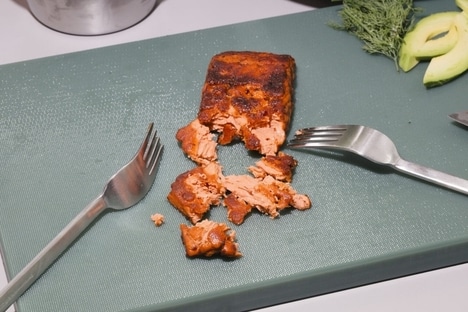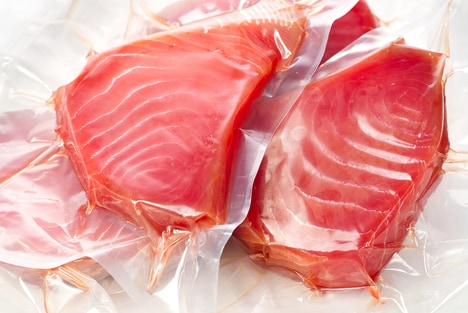
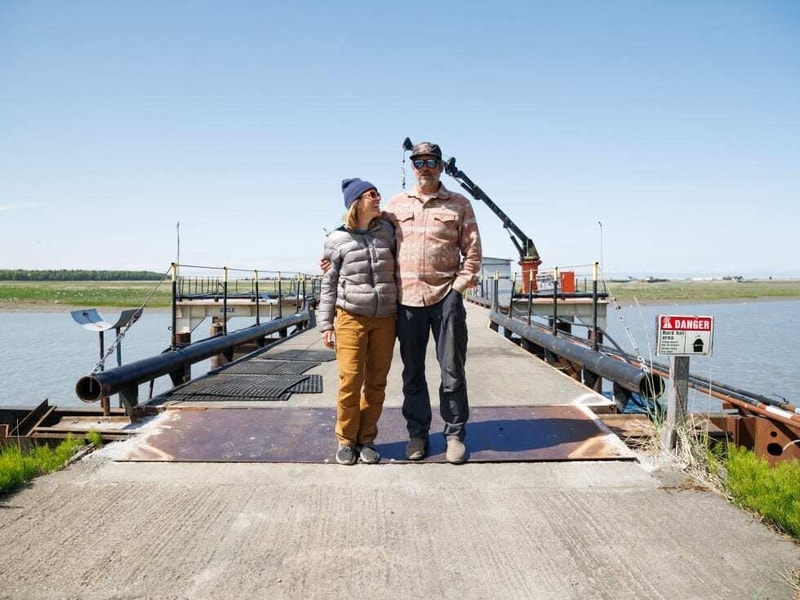
Value-driven seafood supply chains are reshaping the seafood industry by encouraging companies to invest in infrastructure that improves quality, traceability, and long-term value instead of focusing primarily on production volume. Wild Alaskan Company's decision to directly operate the Kasilof buying station reflects this shift by strengthening procurement, fish handling, and coordination with local fishermen. By investing in critical infrastructure, the company aims to preserve product quality from harvest through distribution while supporting stronger connections across Alaska's seafood ecosystem.
For seafood businesses, investing upstream in procurement and handling can create meaningful differentiation in premium markets while strengthening supply chain resilience. Closer collaboration between fishermen, processors, and direct-to-consumer brands also enhances transparency and consistency, helping build consumer trust. As demand grows for sustainably sourced, high-quality seafood, value-driven supply chain investments could become an increasingly important competitive advantage that supports regional economies, improves profitability, and reinforces the long-term reputation of seafood producers.
Image Credit: Wild Alaskan Company
Why This Trend Is Growing
- Upstream Seafood Investment
- Direct ownership of buying stations and handling infrastructure creates new advantages for brands seeking tighter quality control, stronger margins, and more resilient procurement models.
- Traceable Premium Protein
- Consumer demand for verified sourcing is elevating traceability systems that connect harvest data, regional provenance, and product quality into higher-value seafood experiences.
- Fisherman-brand Collaboration
- Closer coordination between harvesters and direct-to-consumer companies is reshaping seafood networks through improved consistency, shared incentives, and differentiated regional storytelling.
Industries Being Reshaped
- Seafood Processing
- Infrastructure focused on cold-chain handling, sorting, and quality preservation is redefining processing as a strategic source of premium product differentiation.
- Direct-to-consumer Food
- Vertically integrated sourcing models are expanding the role of consumer-facing food brands by linking trusted procurement practices with subscription-based premium offerings.
- Sustainable Fisheries
- Regional fishery ecosystems benefit from technology-enabled transparency and value-based purchasing that support responsible harvests, local economies, and long-term resource stewardship.