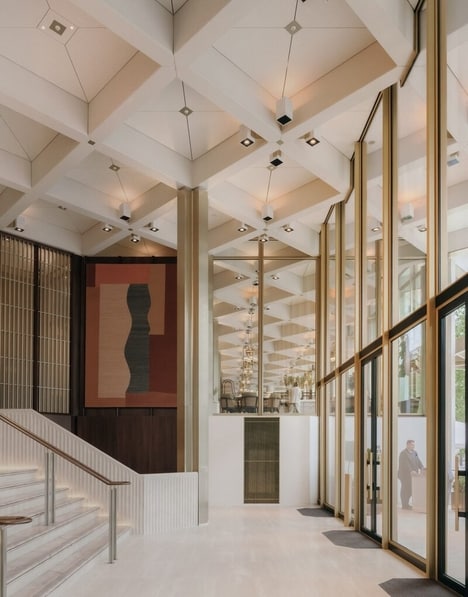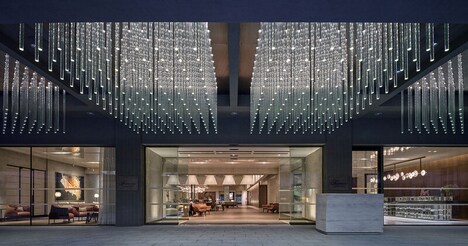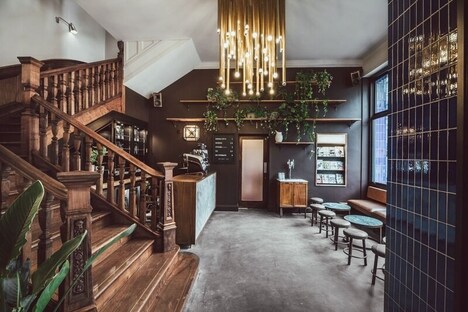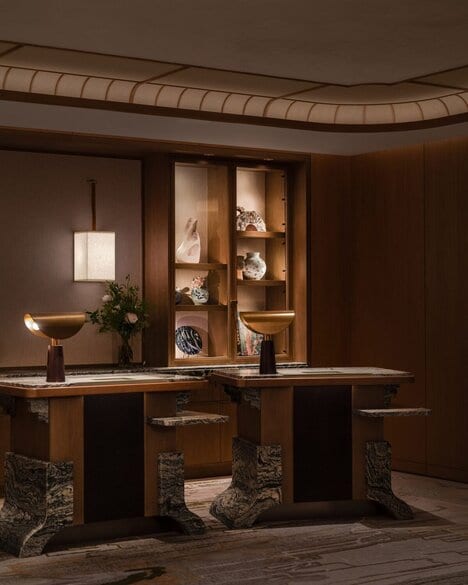
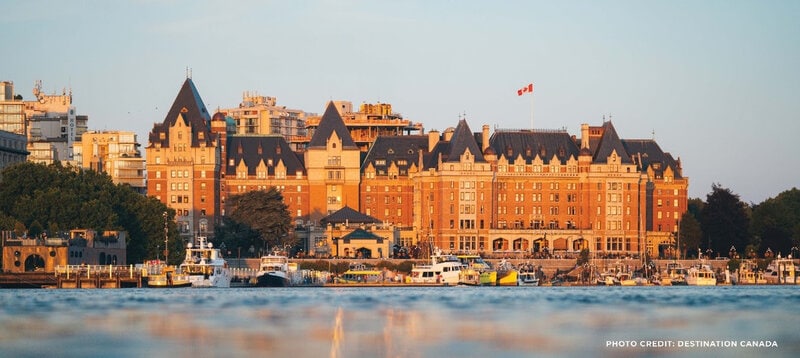
Victoria’s iconic Fairmont Empress has earned a MICHELIN One Key for the third year in a row, securing another nod from the MICHELIN Guide for its design, service, character and overall guest experience. The historic 1908 property overlooking Victoria’s Inner Harbour has been steadily refreshing its luxury offering while keeping its old-world personality firmly intact.
Recent upgrades include the revitalized Bengal, the reimagined Q at the Empress, expanded guest rooms and renovated bathrooms in the Humboldt Wing. Guests can also tap into the hotel’s Fairmont Gold experience, signature Afternoon Tea, spa treatments and Pacific Northwest dining. The recognition follows years of investment in balancing heritage with contemporary hospitality.
For luxury hotels, the ongoing evolution of Fairmont Empress shows how heritage properties can stay culturally relevant by treating restoration as an ongoing experience strategy rather than a one-time renovation.
Image Credit: Destination Canada
What Makes This Trend Stand Out
- Heritage Luxury Refreshes
- Historic properties are blending preservation with contemporary upgrades, creating premium guest experiences that turn restoration into a recurring driver of differentiation.
- Michelin-key Hospitality
- Hotel recognition systems are expanding beyond dining to validate service, design and character, giving luxury brands new credibility signals in competitive travel markets.
- Experience-led Restoration
- Continuous investment in rooms, dining, wellness and signature rituals is reshaping heritage hospitality into a dynamic platform for repeat visitation and cultural relevance.
Sectors Adopting This
- Luxury Hotels
- Prestige accommodations are redefining value through curated heritage, modern amenities and third-party recognition that elevate both loyalty and pricing power.
- Travel and Tourism
- Destination appeal is increasingly shaped by iconic hotels that function as cultural landmarks, encouraging high-value visitors to anchor trips around immersive stays.
- Hospitality Design
- Design firms are finding growth in adaptive restoration projects that preserve architectural identity while introducing contemporary comfort, wellness and dining expectations.