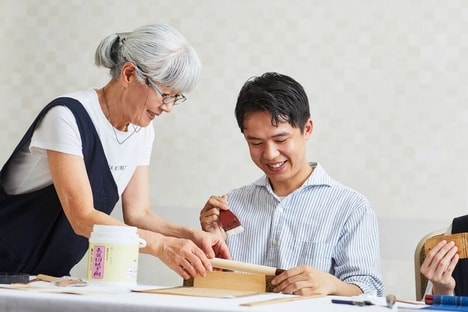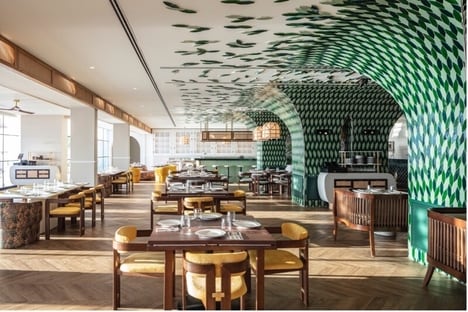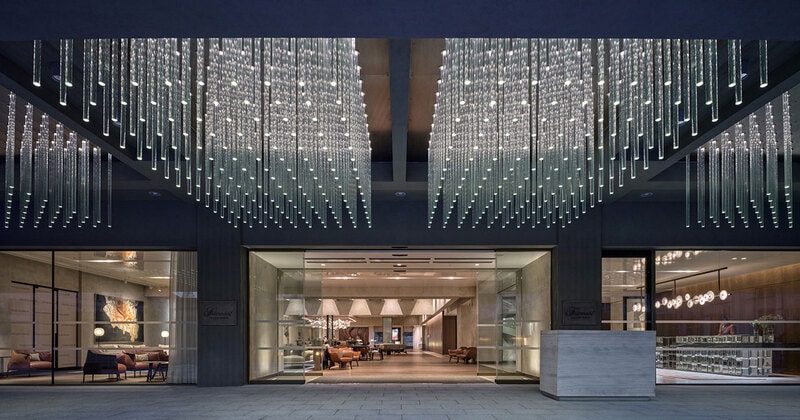
The new Fairmont Golden Prague is a hotel transformation that reimagines a Brutalist-era complex on the Vltava River in Prague into a comprehensive hospitality destination. The project preserves and exposes portions of the original 1970s structural framework while inserting new interventions that support contemporary guest experiences. Public areas include multiple dining venues, wellness and spa facilities, and flexible event spaces, each arranged to maximise circulation and natural light. Architectural moves such as strategic cut-outs and glazed infills are used to connect interior volumes visually and spatially, balancing the solidity of concrete with transparent elements that reveal views toward the city and riverfront. Original Brutalist detailing is retained in selected zones to articulate layers of historical fabric alongside new surfaces.
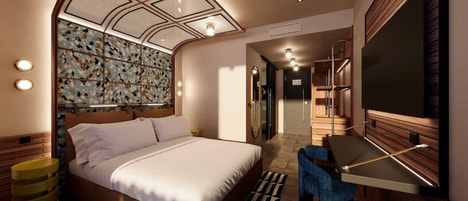
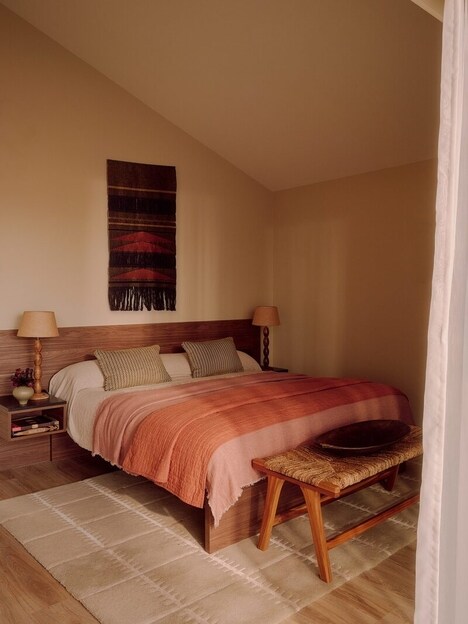
Guest rooms and suites are organised across several levels with materials and lighting calibrated to provide contrast between intimate private spaces and open communal areas. A restrained palette of wood, stone, and neutral upholstery complements exposed structural surfaces.
Image Credit: Fairmont Golden
Why This Trend Is Growing
- Adaptive Reuse in Hospitality
- Transforming historical structures into modern hotel spaces provides a unique opportunity to blend past architectural elements with contemporary design, offering a rich and immersive experience.
- Holistic Hotel Experiences
- Integrating wellness, dining, and event spaces within a hotel fosters a comprehensive destination for travelers seeking relaxation and entertainment in one location.
- Indoor-outdoor Spatial Blending
- The use of transparent architectural elements to connect interior settings with outdoor views enhances guest engagement with the surrounding environment.
Industries Being Reshaped
- Hospitality Design
- Innovative transformations in hotel spaces demand novel approaches to preserving historical architecture while meeting modern lifestyle needs.
- Architectural Restoration
- The challenge of maintaining Brutalist elements in contemporary constructions highlights the potential for restorative approaches in building design.
- Wellness Tourism
- Expanding hotel offerings to include spa and wellness amenities taps into the growing market of health-conscious travelers.