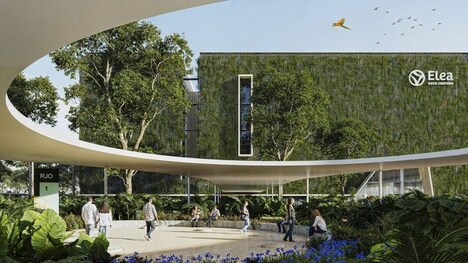

Experiential retail communities are redefining shopping centers by transforming them into mixed-use destinations that prioritize social interaction, wellness, entertainment, and everyday convenience. Ingka Centres' new Lykli concept in Gurugram exemplifies this shift by combining an IKEA store with dining, entertainment, office space, community programming, and wellness-focused environments under one roof. Designed around local preferences, the destination also incorporates sustainable features such as renewable energy, water recycling, and waste management to support long-term community needs.
For businesses, experiential retail communities create opportunities to extend customer visits and diversify revenue beyond traditional retail sales. Integrating leisure, workspaces, and community events encourages repeat visitation while attracting a broader mix of tenants and consumers. As shoppers increasingly seek destinations that offer meaningful experiences alongside purchasing opportunities, mixed-use retail concepts can strengthen customer loyalty, improve occupancy rates, and help property owners differentiate their developments in competitive urban markets.
Image Credit: Ingka Centres
What's Driving This Trend
- Mixed-use Retail Destinations
- Shopping centers that combine commerce, dining, entertainment, workspaces, and services create new value through longer visits, broader tenant ecosystems, and stronger everyday relevance.
- Wellness-driven Placemaking
- Retail environments centered on wellness, comfort, and community programming support differentiated customer experiences that extend beyond transactional shopping.
- Sustainable Community Hubs
- Destinations integrating renewable energy, water recycling, and waste systems reflect a growing role for retail properties as resilient urban infrastructure.
Who This Affects Most
- Retail Real Estate
- Property owners are reshaping malls into experiential mixed-use assets that improve occupancy, diversify revenue, and compete more effectively in dense urban markets.
- Hospitality and Leisure
- Dining, entertainment, and social venues gain from retail communities designed to increase dwell time and blend daily convenience with memorable experiences.
- Health and Wellness
- Wellness providers benefit from community-oriented retail settings where preventive care, lifestyle services, and social engagement become part of routine consumer visits.