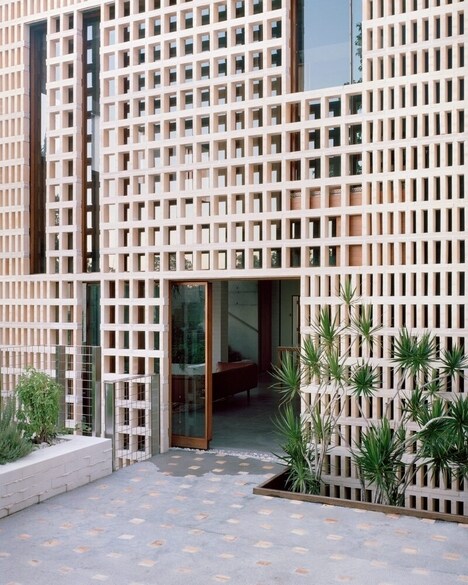
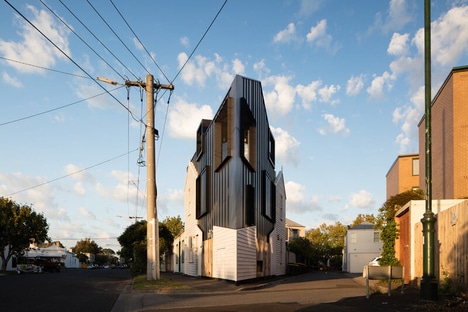
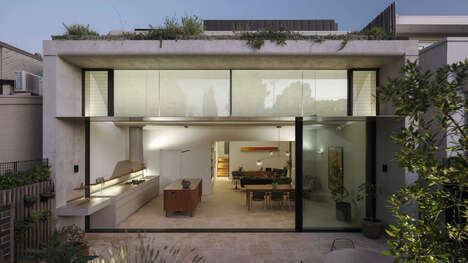
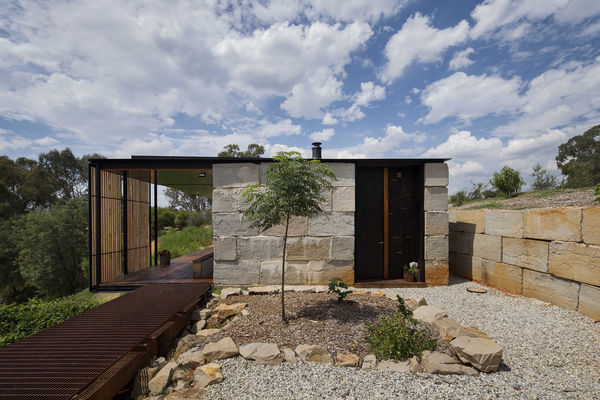
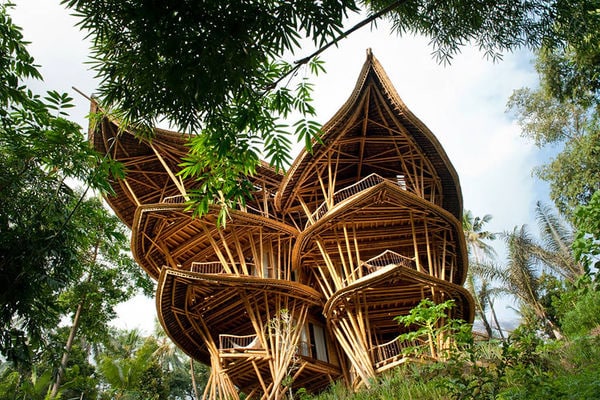
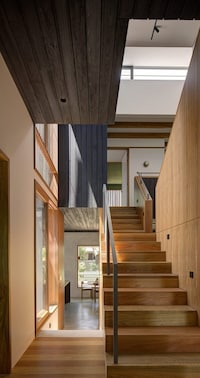
Tim Stewart Architects designed 'Storrs,' an environmental home located on an orchard in Queensland, Australia.The clients, who are entering retirement, wanted a home that would better reflect their changing lifestyle.
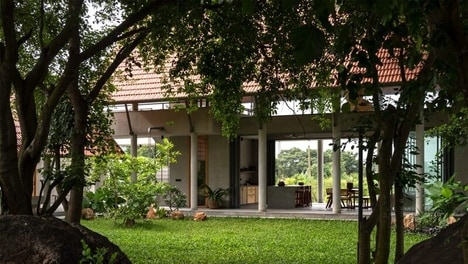
The 18-hectare site features a large dam, and the new home is located across from a dam-fed pond accessed from the home's outdoor room. The rest of the house wraps around a courtyard garden. Each of the rooms engage with the garden and view, offering a serene quality to the space.
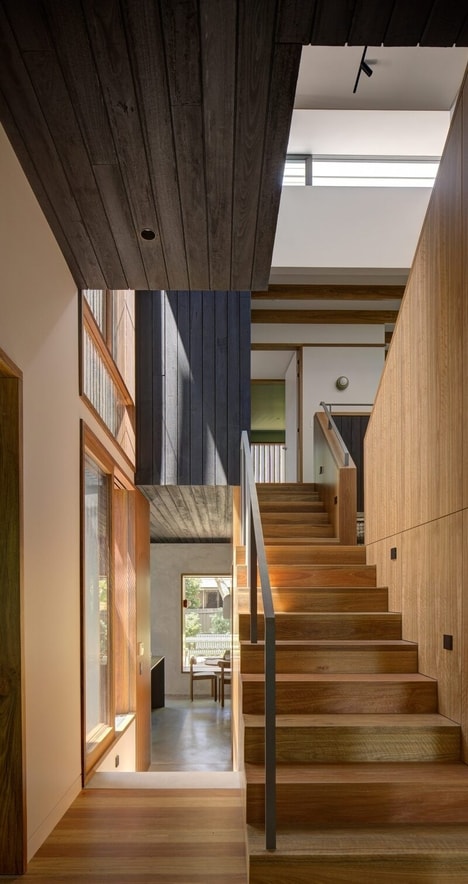
Perhaps the biggest change in the new home is its environmental consciousness. The architects installed low-energy lighting, solar water heating and a timber-clad water storage unit, which holds over 60,000 liters. The same timber, which was milled on-site, is used for the home's exposed timber panels, flooring and parts of the sub-structure.
What's Driving This Trend
- Environmental Consciousness
- Opportunity for companies to develop innovative sustainable technologies and materials for eco-friendly homes.
- Integration of Nature
- Opportunity for businesses to design and create homes that seamlessly incorporate outdoor elements like ponds and gardens.
- Retirement Lifestyle Homes
- Opportunity for developers to design and build homes specifically tailored to the changing needs and preferences of retirees.
Who This Affects Most
- Architectural Design
- Companies in the architectural design industry can capitalize on the trend by developing new approaches to integrating natural elements into home designs.
- Renewable Energy
- Companies in the renewable energy sector can develop and market energy-efficient solutions for homes, such as solar water heating systems.
- Real Estate Development
- Real estate developers can tap into the retirement lifestyle trend by creating communities and homes that cater to the unique needs and preferences of retirees.