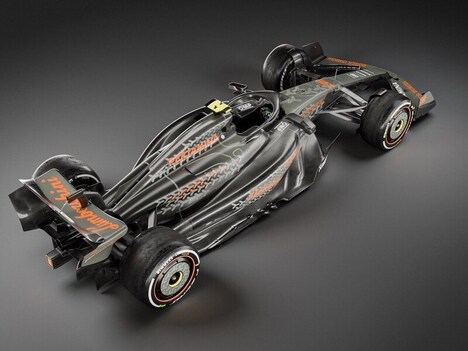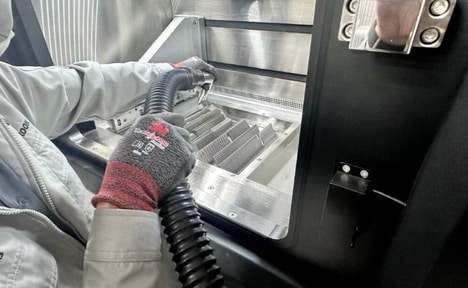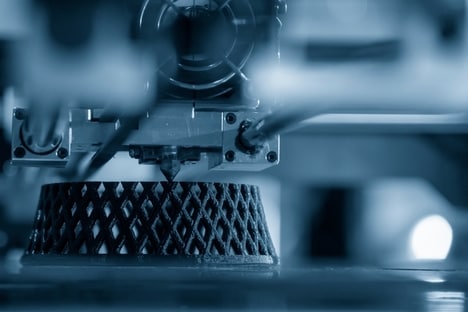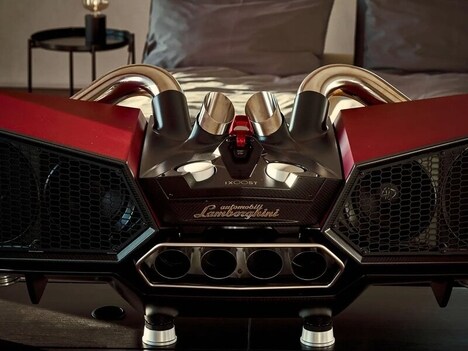
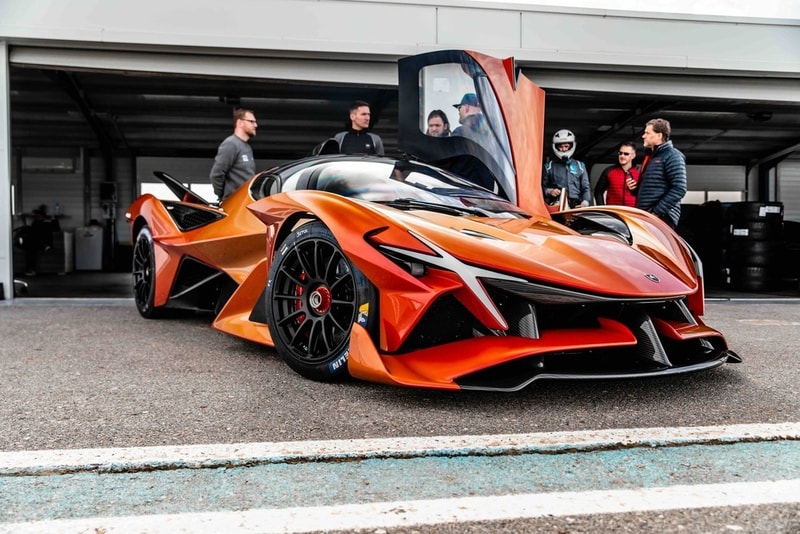
Apollo Automobil introduced the Dragon Skin one-piece 3D-printed titanium exhaust for its upcoming Evo supercar, featuring a scale-like textured surface and requiring 123 hours of additive manufacturing per unit. The system uses aerospace-grade titanium alloy and a high-temperature ceramic coating rated to withstand temperatures up to 1,000°C, engineered to pair with the Evo’s Ferrari F140 V12 engine that revs to 9,000 rpm.
The exhaust’s textured scales were designed to improve heat distribution while reinforcing Apollo’s dragon-themed design language, and the component is available in multiple colors to match each car’s bespoke livery. The Evo also adds 20 horsepower, a carbon fiber monocoque chassis and Le Mans-inspired aerodynamics to a platform limited to 10 track-only units priced from more than $4 million.
For consumers and collectors, Dragon Skin reflects the growing use of large-scale metal additive manufacturing in ultra-luxury performance vehicles, enabling automakers to combine structural engineering with highly customized visual design. By producing a single-piece printed exhaust system, Apollo demonstrates how advanced manufacturing techniques can reduce assembly complexity while supporting bespoke aesthetic and functional integration.
Image Credit: Apollo Automobil
What Makes This Trend Stand Out
- Large-scale Metal Additive Manufacturing
- The emergence of multi-day, single-piece titanium prints points to opportunities for consolidating assemblies and enabling structurally critical, bespoke metal parts at scale.
- Functionally Integrated Aesthetic Components
- Combining heat-managing textures with brand-driven surface design indicates potential for parts that simultaneously deliver engineering performance and visual differentiation.
- High-temperature Coated Customization
- The use of aerospace-grade alloys paired with ceramic coatings rated to 1,000°C suggests room for tailored surface treatments that extend component life while matching bespoke livery demands.
Sectors Adopting This
- Automotive Performance and Luxury
- Ultra-limited hypercars leveraging one-off printed exhaust systems reveal avenues for manufacturers and coachbuilders to offer integrated, high-value mechanical-artifact customization.
- Aerospace Components
- Aerospace-grade materials and long-duration additive processes imply potential to translate automotive-scale innovations into lightweight, high-temperature aircraft structures and engines.
- High-end Manufacturing Services
- Specialized AM bureaus equipped for extended titanium builds indicate opportunities to provide premium, end-to-end fabrication services combining engineering, finishing, and bespoke coloring.