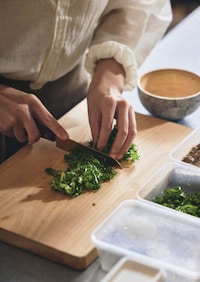


DooSooGoBang is a South Korean restaurant that's situated in the city of Suwon. With a menu that's derived from Korean temple food, the restaurant serves up a variety of organic dishes that are cooked without onions, leeks, chives, or garlic—as these vegetables are "said to disrupt harmonious spiritual practice."
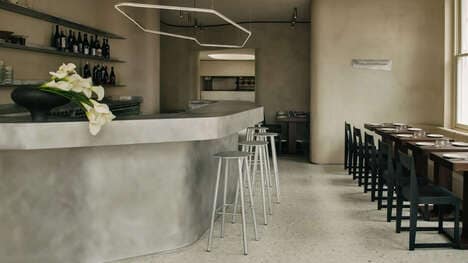
Taking cues from Buddhist practices, DooSooGoBang features a minimalist design that aims to speak to the religion's values. Decorating the white and gray walls are wooden shelving units that display a curation of ceramic pieces, along with hangers that house a series of small tables that are used in traditional Korean-style dining.
Seoul's Limtaehee Design Studio separates the restaurant into three distinct areas, each of which offers its own dining experience.
Image Credit: DooSooGoBang / Design Studio
What's Driving This Trend
- Buddhist-inspired Cuisine
- Opportunity for restaurants to create menus that align with Buddhist principles and serve organic dishes without certain ingredients seen as disruptive.
- Minimalist Restaurant Design
- Designers can create restaurant spaces that embody the minimalist aesthetic inspired by Buddhist values.
- Temple Food Movement
- Growing movement of promoting Korean temple food as a culinary trend, providing opportunities for chefs and restaurants to explore this unique cuisine.
Who This Affects Most
- Restaurant and Food Service
- Restaurants can incorporate Buddhist-inspired menus and minimalist designs to cater to health-conscious and spiritually-aware customers.
- Interior Design
- Designers can specialize in creating minimalist restaurant spaces that embrace the values and aesthetics of Buddhism.
- Culinary and Food Tourism
- Tourism related to Korean temple food can attract travelers interested in exploring new culinary experiences and cultural traditions.