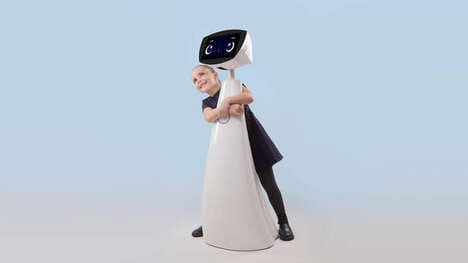
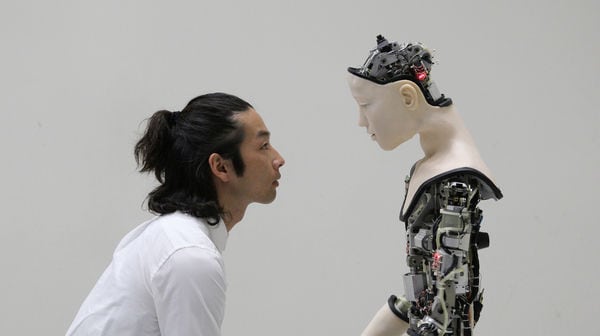
Disney Research discovered that slowing down robot reactions made people feel better about their interactions with the robot. The company ran tests where a person handed an object to a robot, the robot would then grab the object. The testing found that people reported being more uncomfortable as the robot arm moved faster, and people felt better as the speed of the arm was reduced.
Delay speeds were also tested, and people reported feeling less comfortable with no delay form the robot arm. However, people also felt uncomfortable if there was an extended delay period. The test found that people felt better with an intermediate delay.
Disney Research has an obvious interest in robots as Disney theme parks will often use robots as attractions. Additionally making people feel comfortable while interacting with robots is clearly a priority for the company. The new discovery can be implemented into future robot designs.
Image Credit: Disney Research
Key Themes Behind This Trend
- Slowing Robot Reactions
- Slowing down robot reactions can improve interactions between humans and robots.
- Optimizing Robot Delay
- Optimizing delay periods in robot movements can improve human-robot interactions.
- Enhancing Human-like Robot Movements
- Improving the human-likeliness of robot movements can enhance interactions between humans and robots.
Where This Applies
- Robotics
- The robotics industry can apply the discovery to improve human-robot interactions and develop more advanced robots.
- Theme Parks
- The theme park industry can use this discovery to improve guests' experiences with robotic attractions.
- Healthcare
- The healthcare industry can use human-like robots to improve patient care and interactions with medical staff.