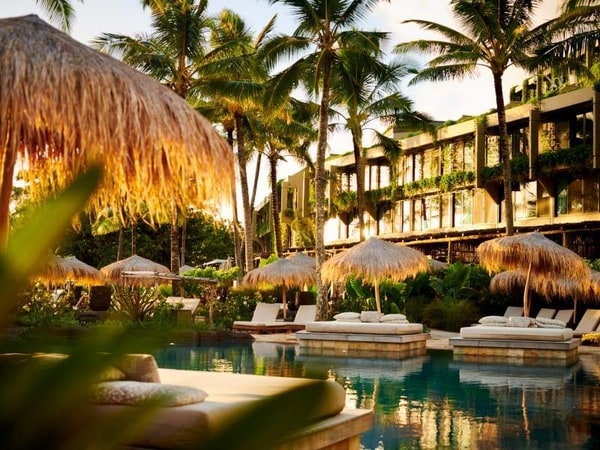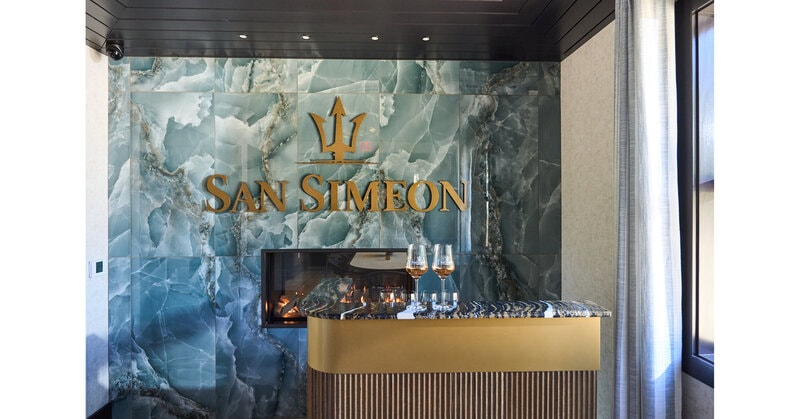
San Simeon Estate is opening a new tasting room in Paso Robles' Willow Creek District, designed around limited-production wines, chef-led dining and guest-by-guest hospitality. The Riboli family's wine brand frames the space as a modern expression of coastal California, with indoor and outdoor areas, gardens and a ranch-inspired look.
The estate's garden centers on an 18-foot 'Poseidon' sculpture, a visual anchor that ties the property to San Simeon's Pacific heritage. Wine flights move beyond a formal tasting counter, and visitors can be greeted with a welcome pour and a seasonal bite while they wait for a table.
At the destination level, the mix turns a winery stop into a longer visit and gives the brand more ways to serve both casual tasters and serious wine guests. In a district already known for wine travel, the format broadens what a tasting room can offer: wine, food and time on property.
Image Credit: San Simeon Estate
What Makes This Trend Stand Out
- Garden-led Wine Hospitality
- Immersive outdoor tasting environments create new value around ambiance, dwell time and premium brand storytelling.
- Chef-paired Tasting Journeys
- Culinary integration within winery visits elevates sampling into a more memorable hospitality experience tied to seasonal and local identity.
- Art-anchored Destination Design
- Signature sculptures and visual landmarks strengthen place-based differentiation while encouraging social sharing and repeat visitation.
Sectors Adopting This
- Wine Tourism
- Expanded tasting room formats blur the line between vineyard visits, leisure travel and experiential retail.
- Hospitality Design
- Ranch-inspired interiors, gardens and flexible indoor-outdoor layouts signal demand for sensory spaces that extend guest engagement.
- Premium Foodservice
- Chef-led bites and paired dining add new revenue layers for beverage brands seeking deeper consumer relationships.