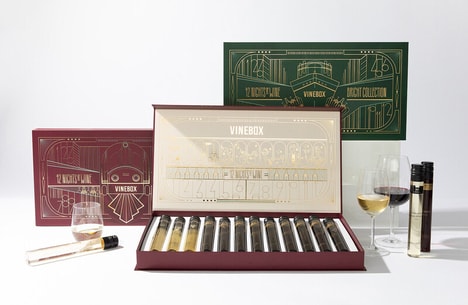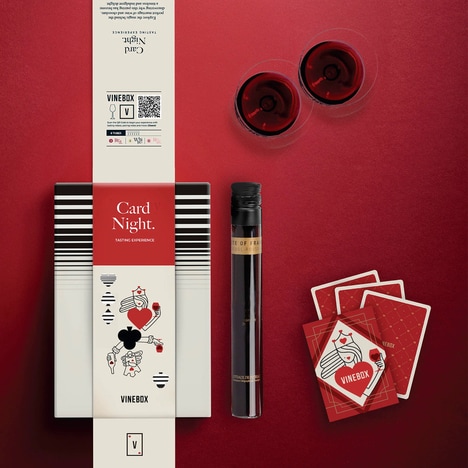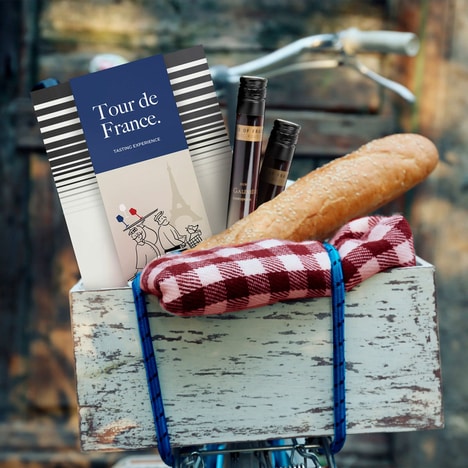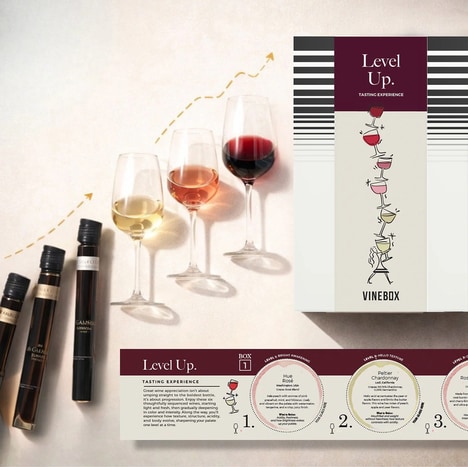
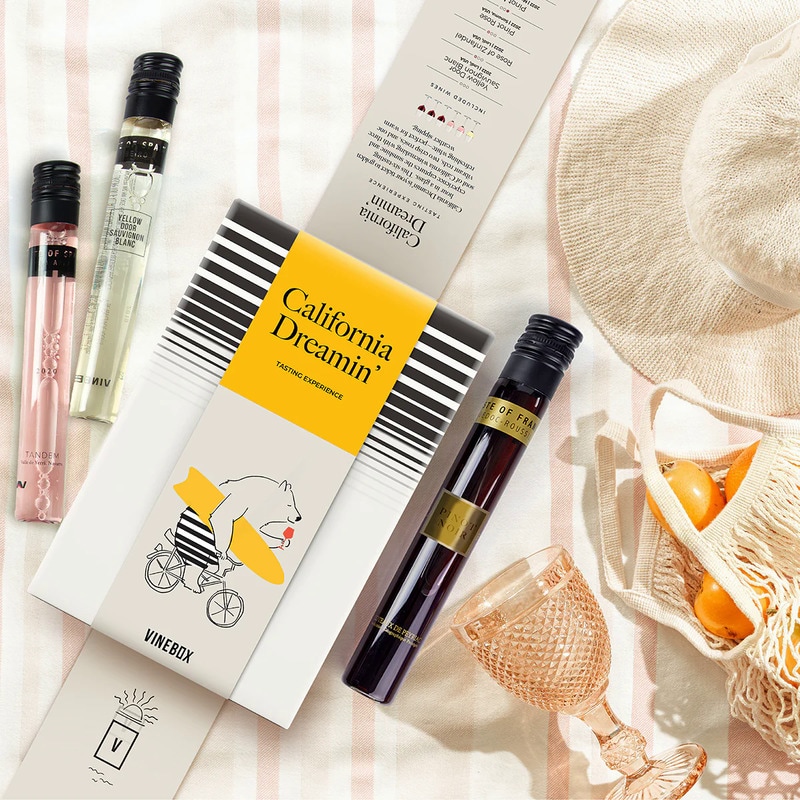
Californian wine is beloved for its bold flavors and consistent quality, shaped by diverse climates and innovative winemaking techniques, and Vinebox assembled a Californian wine tasting kit that shares a taste of what sets the region's offerings apart.
Within this box, customers will find six 100ml tubes of wine: three red, one white and two rosés that capture the essence of "golden hour in a glass." Specifically, this sommelier-curated selection provides an introduction to wines like Pinot Noir from Monterey and an expressive Pinot Rosé from Sonoma.
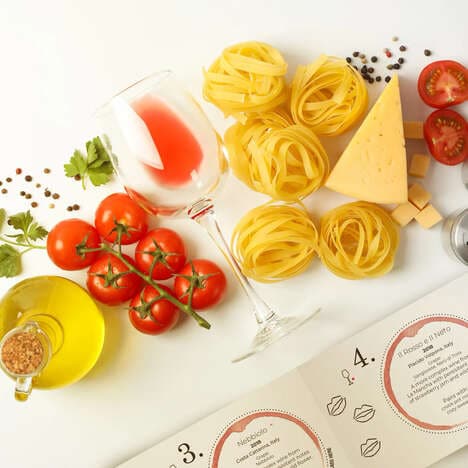
For an informative and interactive experience, this wine-tasting experience includes a tasting mat with wine notes and pairing suggestions, as well as a sommelier-led virtual tasting video accessible via a QR code.
What Makes This Trend Stand Out
- Virtual Wine Tasting Experiences
- The fusion of physical wine kits with digital tasting events is paving the way for a new kind of interactive e-commerce that engages wine enthusiasts globally.
- Curated At-home Experiences
- Thoughtfully curated wine kits that provide a sommelier-guided experience offer consumers a premium tasting adventure from the comfort of their own homes.
- Regional Wine Exploration Kits
- Kits focusing on specific regional wines allow consumers to explore and appreciate diverse wine cultures and flavors without geographical limitations.
- Interactive Tasting Mats
- These enhance customer engagement by combining educational components with a tactile tasting experience, offering a blend of learning and leisure.
Sectors Adopting This
- E-commerce and Subscription Services
- The rise of at-home wine tasting kits illustrates a growing market for subscription services that offer curated, regional delicacies to curious consumers.
- Digital Learning and Entertainment
- Integrating QR code access to virtual tasting sessions showcases the merging of digital media with traditional industries for enhanced learning and consumer engagement.
- Wine and Beverage Production
- By highlighting regions like California, wine producers have opportunities to market unique regional characteristics and adapt to consumer preferences shifting towards experiential purchases.