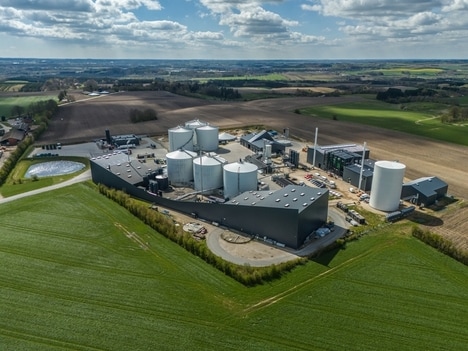

Clariant, Borealis and SINTEF completed a pilot to convert plastic-derived pyrolysis oil into cracker-grade feedstock, featuring an upgraded hydrotreated stream designed to meet steam cracker specifications. The project upgraded contaminants and stabilized the oil so it could enter existing petrochemical crackers as a feedstock for virgin polyolefin production.
The pilot reported processing, purification and integration steps that focused on sulfur removal, boiling-range control and compatibility testing with conventional naphtha streams. By demonstrating a route from mixed plastic waste to a cracker-ready input, the collaboration showed a practical pathway for chemical recyclers and polymer producers to close material loops. That matters because it enables lower-carbon resin production at scale without altering downstream polyolefin manufacturing, aligning with circular-economy trends in packaging and plastics supply chains.
Image Credit: Clariant, Borealis, SINTEF
What's Driving This Trend
- Cracker-grade Pyrolysis Integration
- Demonstrates a pathway for mixed plastic-derived pyrolysis oil to be purified and stabilized to meet steam cracker feed specifications, enabling direct substitution for conventional naphtha in polyolefin production.
- Hydrotreatment Upgrading
- Highlights advanced hydrotreated streams that reduce sulfur and control boiling ranges, creating feedstock purity comparable to fossil-derived inputs and altering refinery upgrade value chains.
- Closed-loop Polymer Production
- Signals a scalable route from waste plastics to virgin-grade resins that preserves downstream manufacturing processes and supports circular-economy supply models.
Who This Affects Most
- Petrochemical Manufacturing
- Existing steam cracker operators face the prospect of integrating alternative feedstocks that change feedstock sourcing dynamics and lifecycle carbon profiles without major downstream process retooling.
- Chemical Recycling Services
- Companies in pyrolysis and upgrading stand to redefine recycling economics by delivering cracker-ready oils that bridge mechanical recycling limits and chemical supply demands.
- Packaging and Plastics Supply Chain
- Brand owners and converters could benefit from lower-carbon virgin polyolefins derived from recycled feedstocks, influencing material specification and sustainability claims across product lines.