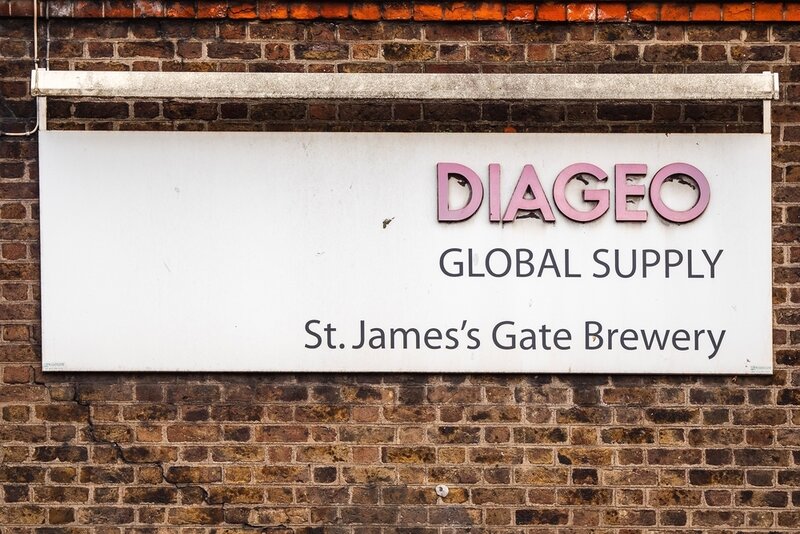
Diageo unveiled a $1 billion cost-saving strategy spanning three years, targeting $1.2 billion in restructuring costs as new CEO Dave Lewis works to turn around the struggling spirits giant. Shares rose nearly 4% after the announcement, with savings expected primarily in 2027 and 2028, alongside additional supply chain benefits in later years.
Net sales declined 2% organically to $19.6 billion for the year ending June 30, though adjusted operating profit rose 2% to $5.7 billion, with cost savings partly offset by tariffs.
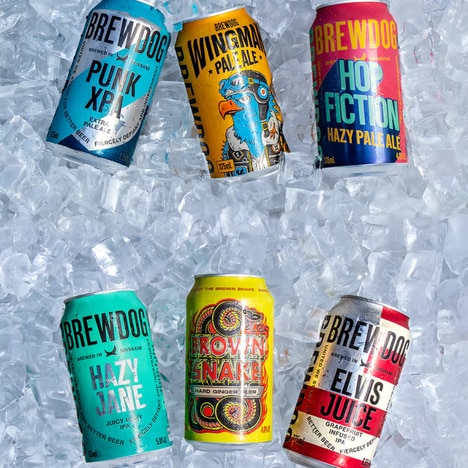
Ready-to-drink beverage sales jumped 35.1%, driven largely by Casamigos' World Cup cocktail launch and strong performances from Bulleit and Ketel One. North American organic sales fell 8.4%. Diageo's restructuring shows that even the world's largest players are prioritizing operational agility and core brand relevance over aggressive expansion to restore investor confidence.
Image Credit: Shutterstock/mark gusev
What Makes This Trend Stand Out
- Spirits Cost Restructuring
- Major beverage companies are using large-scale efficiency programs to protect margins, creating space for analytics platforms that identify underperforming assets and automate resource allocation.
- Ready-to-drink Premiumization
- Growth in branded canned cocktails signals consumer appetite for convenient premium experiences, opening possibilities for alcohol brands to test limited-edition formats tied to cultural moments.
- Agile Brand Portfolios
- Shifting performance across regions and categories is making portfolio flexibility more valuable, with disruption emerging from tools that rapidly rebalance marketing, distribution, and product investment.
Sectors Adopting This
- Alcoholic Beverages
- Legacy spirits producers are rethinking growth models as demand fragments, allowing new entrants to compete through faster product cycles and targeted occasion-based offerings.
- Supply Chain Management
- Efficiency pressures from tariffs and restructuring are increasing demand for smarter supply networks that reduce volatility while improving cost visibility across global operations.
- Financial Technology
- Investor scrutiny of turnaround plans creates relevance for forecasting and performance-tracking solutions that translate operational savings into clearer market confidence signals.