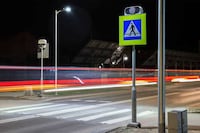
A 'Continuous Flow Intersection' is a piece of civil engineering designed to fix one of the most dangerous -- and most frustrating -- aspects of daily driving: the left turn.
Left turns at an intersection require cars to turn through oncoming traffic, a risky maneuver when done without attention and a bothersome one when other left-turning drivers are caught behind a tentative car. The Continuous Flow Intersection solves the problem by creating a turning lane far in advance of the actual intersection. In that lane, cars can cross over to the farthest left side of the road before making the 90-degree left turn, meaning that they only have to navigate perpendicular traffic.
Short of shifting to the roundabouts favored in the UK, the Continuous Flow Intersection is a clever design that could be easily accepted by North American drivers.
What's Driving This Trend
- Continuous Flow Intersections
- The implementation of Continuous Flow Intersections presents a disruptive innovation opportunity by enhancing traffic flow and reducing accidents through its ingenious approach.
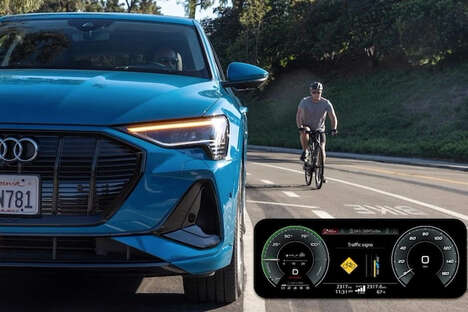
- Left-turning Driver Assistance Systems
- The development of technology to assist left-turning drivers could be a disruptive innovation opportunity.
- Self-driving Vehicles at Continuous Flow Intersections
- The integration of self-driving technology with Continuous Flow Intersections presents a disruptive innovation opportunity by enhancing traffic flow and significantly reducing the risk of accidents.
Who This Affects Most
- Civil Engineering
- Civil Engineering industry presents a disruptive innovation opportunity by exploring further the potential of Continuous Flow Intersections
- Automotive
- The Automotive industry presents a disruptive innovation opportunity by developing and implementing left-turning driver assistance systems to enhance safety
- Transportation
- The Transportation industry presents a disruptive innovation opportunity by exploring further the integration of self-driving technology with Continuous Flow Intersections to reduce the risk of accidents