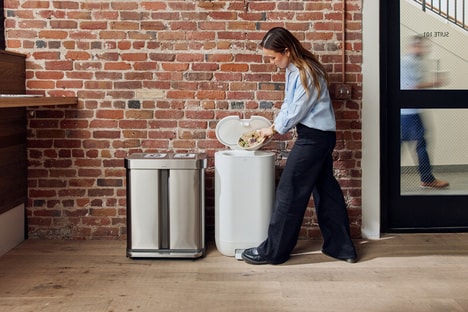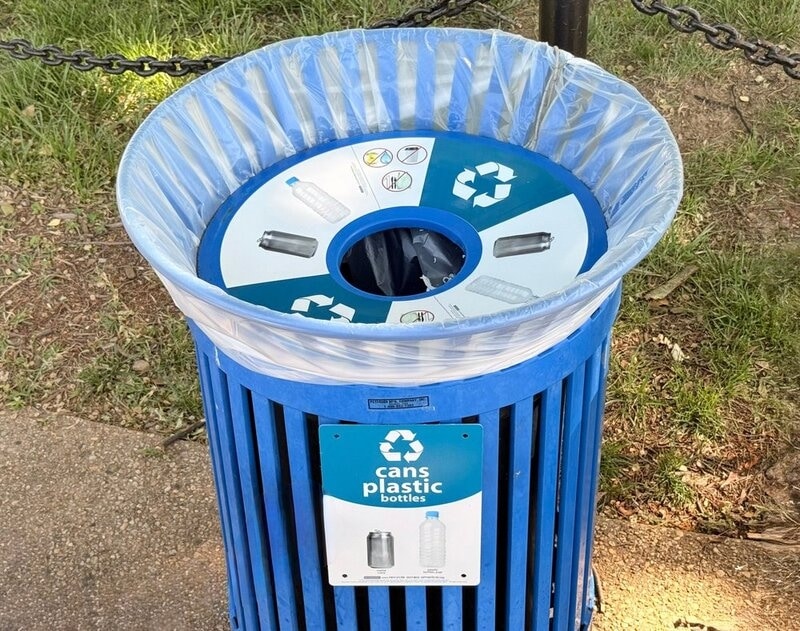
The National Park Service has rolled out a comprehensive recycling initiative across the National Mall in Washington, D.C., to coincide with Earth Day 2025. The program features over 1,000 trash and recycling bins, each outfitted with standardized labels created in collaboration with the nonprofit Recycle Across America.
These visual cues are designed to reduce recycling contamination and increase public understanding of what materials can be recycled. Six solar-powered BigBelly trash compactors and a dedicated recycling truck for the Mall have also been installed to optimize waste collection efficiency.
This effort is part of a larger vision to make America’s most-visited national park a model of sustainability ahead of the U.S. semiquincentennial (250th anniversary) celebrations in 2026. It highlights how public infrastructure can serve, educate, and inspire millions of visitors annually in responsible waste practices.
Image Credit: nationalmall.org
What Makes This Trend Stand Out
- Standardized Recycling Labels
- The use of standardized recycling labels facilitates better consumer compliance and reduces contamination rates in recycling streams.
- Solar-powered Waste Management
- Solar-powered trash compactors exemplify how renewable energy can enhance the efficiency and sustainability of public waste collection systems.
- Collaborative Public-nonprofit Initiatives
- The partnership between public entities and nonprofits to manage recycling programs underscores the power of collaborative efforts in promoting environmental sustainability.
- Industries Concerned with Sustainability
- Organizations concerned with sustainability landscaping can leverage public initiatives to increase resource efficiency.
Sectors Adopting This
- Waste Management Technology
- Advances in waste management technology, such as solar-powered compactors, offer industries new tools to enhance operational eco-efficiency.
- Public Infrastructure Development
- Investments in public infrastructure that incorporate sustainability measures present an opportunity to lead by example for visiting populations.
- Environmental Nonprofits
- Environmental nonprofits specializing in recycling education can influence nationwide recycling practices by standardizing systems across public spaces.