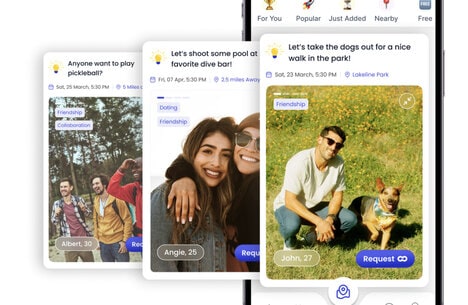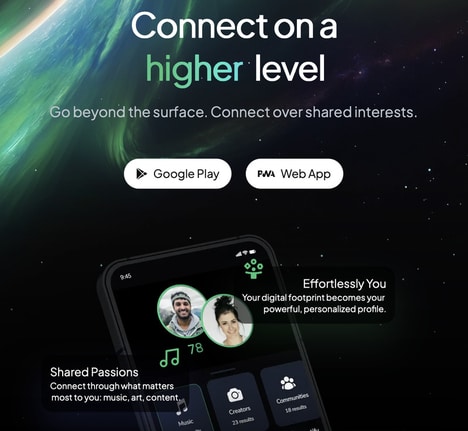

'Rivet' is a dating network from former Tinder and Match Group executive Taru Kapoor, built around Social Matching. Instead of leaving every introduction to a swipe, it lets other people help surface possible matches and adds a community layer to dating.
The model gives members two roles: they can look for dates, or act as Matchers who weigh in on potential pairs. People then decide for themselves whether to connect, which keeps the final choice with the dater while widening the pool of who can help shape it.
For consumers, this means dating can feel less isolated and more social without giving up control over the match. It also pushes the category toward human curation, where apps compete on how well they turn trust and intuition into better introductions.
Image Credit: Rivet
What Makes This Trend Stand Out
- Community-led Matchmaking
- Dating platforms are blending peer input with personal choice, creating space for trust-based recommendation systems that reduce swipe fatigue and improve match relevance.
- Social Curation Layers
- Human-guided discovery is re-emerging across digital services as consumers seek more contextual, relationship-informed recommendations than algorithmic feeds alone can provide.
- Dual-role Platforms
- Networks that let users participate as both seekers and facilitators expand engagement models by turning passive communities into active contributors to outcomes.
Sectors Adopting This
- Online Dating
- The category is shifting beyond swipe mechanics toward socially mediated introductions that differentiate platforms through trust, context, and collaborative discovery.
- Social Networking
- Community-based connection tools are creating new formats where friends and acquaintances influence meaningful relationships instead of simply sharing content.
- Consumer Apps
- Mobile services are finding growth opportunities in participatory product designs that make users feel supported by real people while preserving individual control.