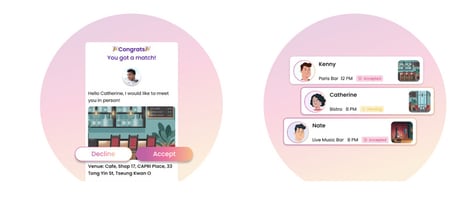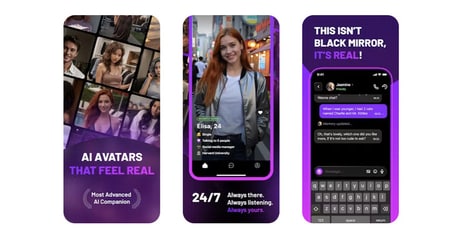

Date Drop is a weekly matchmaking service created by Stanford grad student Henry Weng and launched on campus in the fall, featuring an algorithm that pairs users from a questionnaire, open-ended responses and voice data. The system was rolled out to over 5,000 Stanford students and later expanded to 10 additional schools, where it delivered one curated match per week instead of conventional swiping.
Weng said the model trains on real-world outcomes — the startup collects data on which matches led to actual dates and refines its compatibility predictions accordingly. The Relationship Company, structured as a public benefit corporation, has raised angel funding and runs campus ambassadors while offering employees a monthly “relationship stipend.”
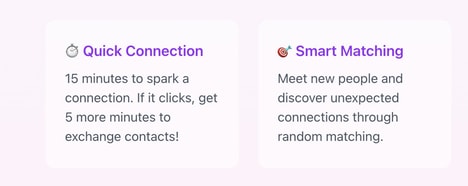
For students, Date Drop replaces swipe fatigue with intentional introductions that emphasize relationship goals and higher in-person conversion rates; it taps a broader trend toward algorithmic services optimized for meaningful, offline connections rather than casual app browsing.
Image Credit: Henry Weng
Key Themes Behind This Trend
- Weekly Curated Matching
- A shift from continuous swiping to a single, curated weekly introduction creates room for services that prioritize depth over quantity in user engagement.
- Outcome-driven Algorithms
- Models that retrain on real-world meeting and date outcomes enable predictive systems that continuously refine compatibility beyond self-reported preferences.
- Campus Ambassador Networks
- Leveraging student ambassadors to seed adoption on campuses presents scalable grassroots distribution channels tied to community trust and cultural fit.
Where This Applies
- Higher Education
- Universities could integrate matchmaking platforms to enhance student wellbeing and retention metrics through curated social programming.
- Dating and Relationship Services
- Traditional dating apps face pressure to adopt slower, verification-rich experiences that drive higher offline conversion and relationship longevity.
- HR and Employee Benefits
- Employers offering relationship stipends and social wellness perks may catalyze novel benefit categories linked to employee mental health and productivity.