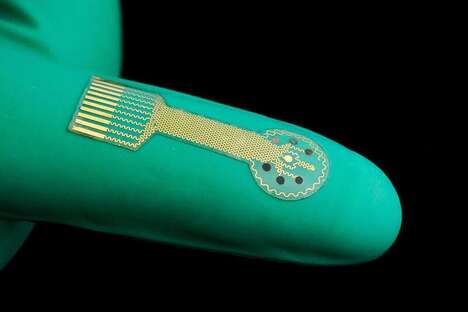
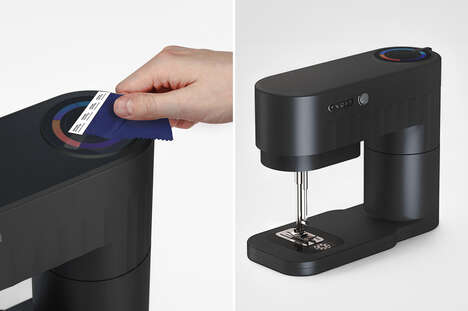
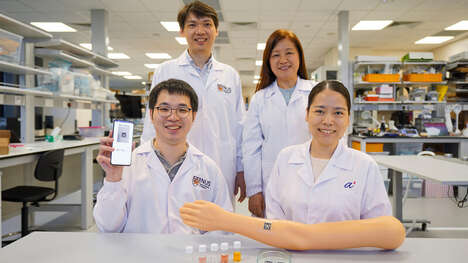
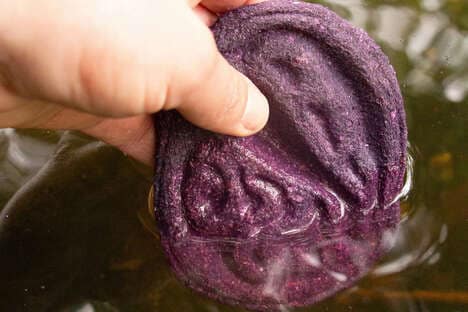
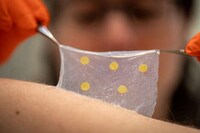
A bright and inventive high school student, Dasia Taylor, has invented a color-changing suture that can detect early signs of surgical infection. Taylor developed a polyester and cotton mixed thread that changes color when exposed to a higher pH. The thread uses beet vegetables to help pronounce the change in color. The suture works by changing color when exposed to an infected pH - the higher the pH, the darker the suture turns.
Taylor's invention has a great potential to be used in a professional medical environment and could revolutionize the early detection of surgical infections. Taylor's suture invention is a low-cost design and could be an incredible solution to prevent death from infection in developing countries.
Photo Credits: designboom, cnn
Image Credit: CNN/Caroline Baker
Why This Trend Is Growing
- Early Infection Detection
- Dasia Taylor's color-changing sutures can detect early signs of surgical infection, paving the way for more proactive medical interventions.
- Low-cost Medical Devices
- Taylor's affordable suture design demonstrates the potential for low-cost medical devices that could improve healthcare accessibility for people in developing countries.
- Innovative Medical Textiles
- Taylor's use of beet vegetables to create color-changing sutures highlights the potential for innovative materials solutions in the medical textiles industry.
Industries Being Reshaped
- Medical Devices
- Dasia Taylor's invention presents a disruptive innovation opportunity in the development of low-cost, infection-detecting medical devices.
- Healthcare
- Taylor's color-changing sutures have the potential to transform infection detection in healthcare, leading to earlier interventions and more positive patient outcomes.
- Textiles
- The use of natural materials like beet vegetables in the creation of color-changing medical textiles presents a disruptive innovation opportunity in the textiles industry, particularly for medical and safety applications.