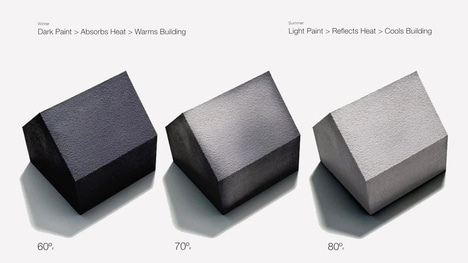
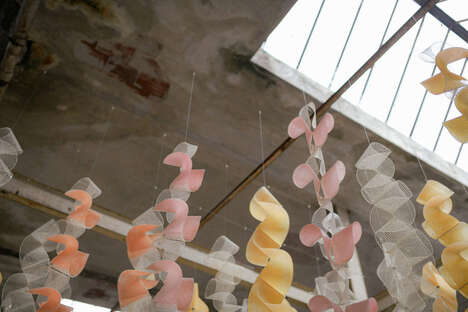
Jacob Walls, a London designer and graduate from Central Saint Martins has designed the Pangolin seating collection. It changes color in response to touch, leaving behind body parts that engage with the chair due to the heat reaction. To do this, he uses industrial foam materials that were left unupholstered and then colored it with thermochromic dye, which has heat-sensitive pigments that work similarly to a mood ring.
Walls explains, "I was interested in creating a piece that felt alive, something that didn't just occupy space, but responded to it. [...] Each section was dyed individually, allowing for subtle tonal shifts across the surface. Exposing a material that's usually hidden, like foam, aligns with the work's focus on revealing often unseen relationships between people and objects. And I liked the idea of trying to create new value and desire for a material that's often overlooked – in this case, factory offcuts."
Image Credit: Jacob Wall
Why This Trend Is Growing
- Interactive Furniture
- The integration of touch-responsive materials in furniture design represents a shift toward interactive home environments that engage the user's senses.
- Sustainable Upcycling
- Transforming factory offcuts into stylish, functional furniture pieces highlights innovative strategies for sustainable resource utilization in design.
- Thermochromic Applications
- The use of thermochromic dye in furniture introduces new possibilities for dynamic aesthetic transformations in everyday objects based on environmental interactions.
Industries Being Reshaped
- Furniture Design
- Furniture design is being revolutionized by incorporating sensory-responsive technologies that encourage user interaction and personalization.
- Material Science
- Advances in material science are enabling the creation of color-changing surfaces, paving the way for functional innovations in product design and manufacturing.
- Sustainable Manufacturing
- Sustainable manufacturing is gaining momentum as designers explore creative ways to repurpose waste materials into valuable consumer products.