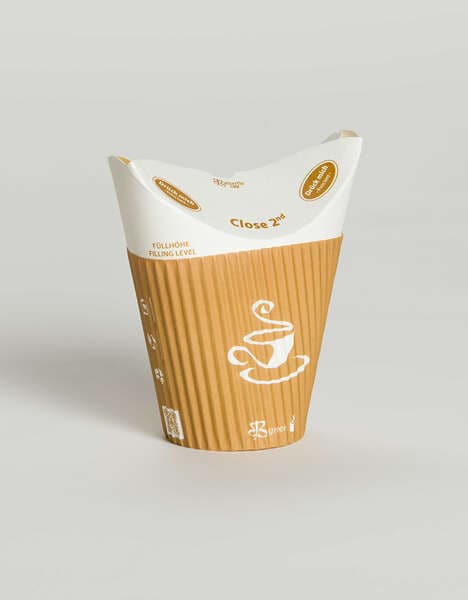
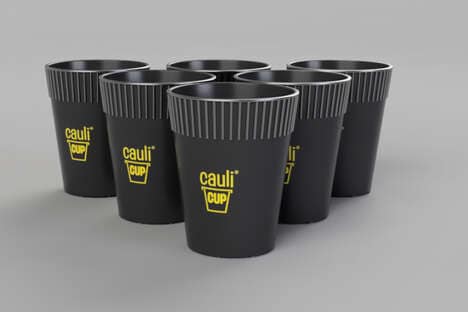
Microbiologists Richard Sparling and David Levin of the University of Manitoba have been using coffee cups as a source of biofuel. The cups are used to feed ethanol-producing bacteria with an efficient output of 1.3 litres of coffee cup biofuel, or ethanol, from about 100 Tim Hortons cups.
Traditionally, ethanol is extracted from food sources such as corn and wheat; however, this method is much more economical. Like most coffee drinkers, the bacteria show brand preference: Tim Hortons cups are preferred to Starbucks in the production of coffee cup biofuel.
Key Themes Behind This Trend
- Sustainable Energy Production
- Using waste products like coffee cups to produce biofuel presents a disruptive innovation opportunity for sustainable energy production.
- Circular Economy
- The concept of using waste as a resource for production presents a disruptive innovation opportunity for businesses looking to tap into the circular economy trend.
- Biomimicry
- The use of bacteria to produce biofuel from waste sources presents a disruptive innovation opportunity for businesses looking to mimic nature's efficient and sustainable processes.
Where This Applies
- Waste Management
- The development of waste-to-energy technologies for biofuel production presents a disruptive innovation opportunity for the waste management industry.
- Food and Beverage
- Food and beverage companies could explore the use of their waste products, such as coffee cups, to produce sustainable biofuels as a disruptive innovation opportunity for the industry.
- Renewable Energy
- The use of waste products to produce biofuels presents a disruptive innovation opportunity for the renewable energy industry to diversify their source materials and potentially increase efficiency.