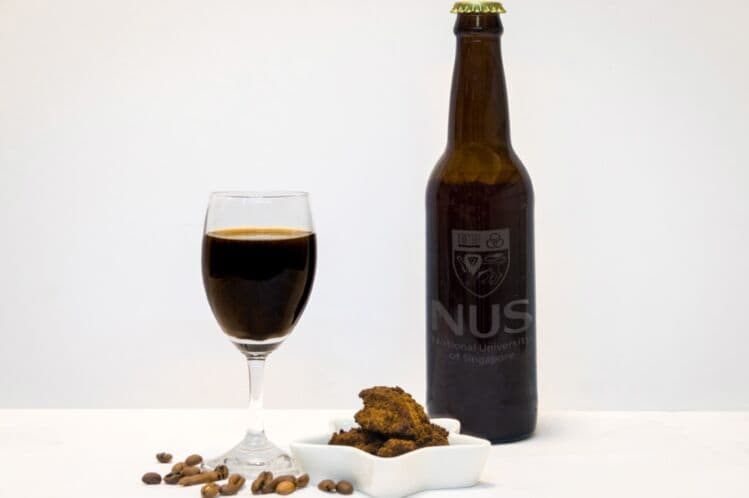
Researchers at the National University of Singapore have patented an innovative technology that turns spent coffee grounds into an alcoholic drink. Coffee is a heavily consumed beverage worldwide, and approximately six to eight tons of coffee ground residue is globally generated year-round. Coffee grounds are typically disposed of as waste; however, it is an environmental hazard due to the phenolic compounds found in the beans, which are harmful to soil and water.
A team of students at the National University of Singapore began developing a way to reduce food waste by utilizing spent coffee beans. The team developed a drying, hydrolyzing, and fermenting used coffee grounds and turning them into alcoholic beverages.
The researchers are currently studying the shelf life of this product and will then begin to commercialize the technology.
Image Credit: National University of Singapore
What Makes This Trend Stand Out
- Sustainable Alcohol Production
- The innovative technology of turning food waste into alcoholic drinks presents an opportunity for the alcohol industry to become more sustainable.
- Upcycling Food Waste
- The process of upcycling spent coffee grounds into an alcoholic drink provides a disruptive innovation opportunity for the food and beverage industry to create sustainable products and reduce food waste.
- Circular Economy in Food and Beverage
- Turning food waste into a viable product like an alcoholic drink promotes a circular economy and can lead to more sustainable practices in the food and beverage industries.
Sectors Adopting This
- Food and Beverage
- The process of utilizing spent coffee grounds in alcoholic drink production presents an opportunity for the food and beverage industry to reduce waste and create sustainable products.
- Alcohol
- The innovative technology of turning food waste into alcoholic drinks presents an opportunity for the alcohol industry to become more sustainable and eco-friendly.
- Waste Management
- The upcycling of food waste into a viable product presents an opportunity for the waste management industry to reduce the environmental impact of waste and promote sustainable practices.