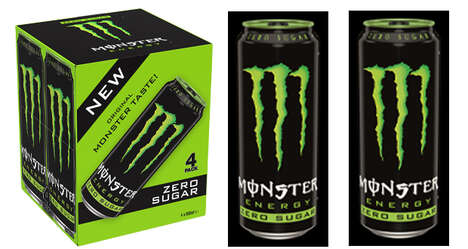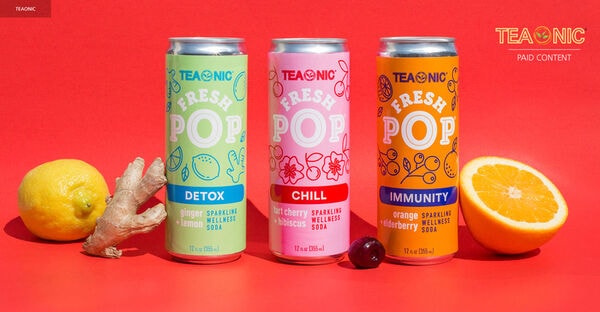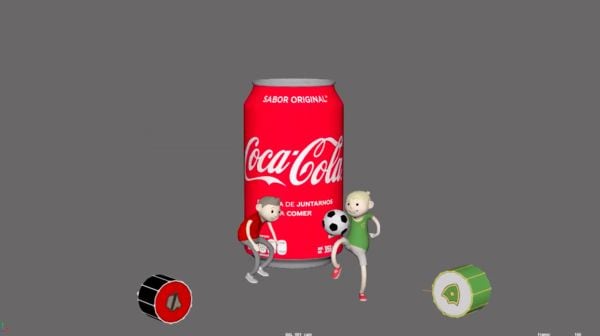


This spring, Coca-Cola Energy is launching in Europe as the first energy drink under the Coca-Cola brand. The canned drink provides caffeine from naturally derived sources along with B vitamins, guarana extracts with a familiar Coca-Cola taste and without any taurine. Providing the taste of Coca-Cola and a formula that spotlights naturally derived ingredients are two features that were paramount to the development of Coca-Cola Energy.
In comparison to regular Coca-Cola, Coca-Cola Energy provides three times as much caffeine, offering a new way for consumers to support themselves throughout a busy day.
Alongside the regular Coca-Cola Energy, a no-sugar, no-calorie version of the product is also set to be launched in cans of the same size.
What's Driving This Trend
- Soda-flavored Energy Drinks
- Coca-Cola's new energy drink, flavored like its trademark soda, taps into the growing trend of combining unexpected flavors in the energy drink market.
- Naturally Derived Ingredients
- Coca-Cola Energy's use of naturally derived caffeine and B vitamins caters to the increasing consumer demand for natural and healthy products in the energy drink market.
- No-sugar, No-calorie Options
- The launch of a no-sugar, no-calorie version of Coca-Cola Energy capitalizes on the trend of health-conscious consumers looking for low-calorie energy drink options.
Who This Affects Most
- Beverage Industry
- The launch of Coca-Cola Energy highlights the ongoing innovation and competition in the ever-growing energy drink market.
- Natural Ingredients Industry
- Coca-Cola Energy's emphasis on natural ingredients shows that the usage of natural, healthier ingredients is not limited to solely organic and natural products.
- Sugar-free Industry
- The launch of a no-sugar, no-calorie version of Coca-Cola Energy displays the industry's growth in responding to the demand for low-calorie, sugar-free options.