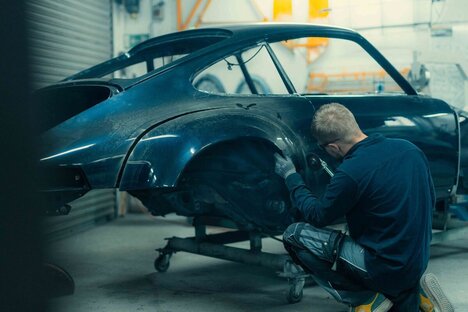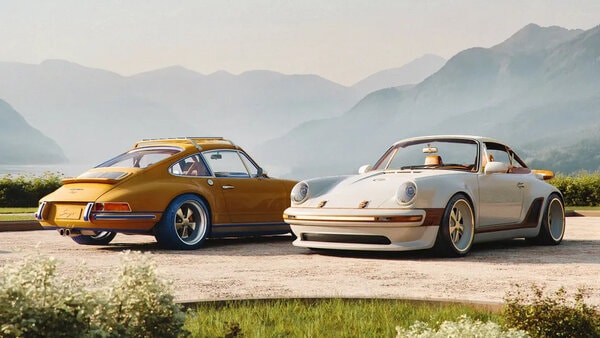

Inverted used its bespoke EV-swap program to turn a 1967 Porsche 912 into an electric coupe for an owner who wanted the car as a daily driver. The conversion keeps the exterior close to stock and replaces the original powertrain with a rear motor rated at 300 hp.
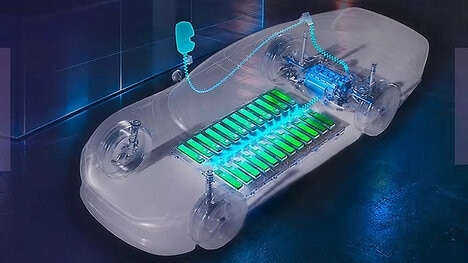
The 62-kWh battery is split between the rear and the front trunk, which the company says spreads mass more evenly than a single pack at the back and improves the car's balance. The company puts range at about 250 miles, and 75-kW DC fast charging lets the owner top up without relying only on overnight charging.
Inverted shows how a bespoke EV-swap program can treat weight distribution as part of a classic-car conversion, pairing a 300-hp rear motor with a battery divided between the rear and front trunk.
Image Credit: AI-generated
What Makes This Trend Stand Out
- Heritage EV Conversions
- Classic vehicles gain everyday usability through electric powertrains that preserve vintage styling while modernizing performance, range, and ownership appeal.
- Balanced Battery Packaging
- Distributed battery layouts create new engineering possibilities for retrofits by improving handling, storage flexibility, and vehicle dynamics in older chassis.
- Bespoke Electric Restomods
- Customized EV-swap programs signal a premium market where personalization, sustainability, and collectible-car culture converge around high-value mobility upgrades.
Sectors Adopting This
- Classic Car Restoration
- Restoration businesses can expand beyond preservation as electrification becomes a differentiated service for owners seeking reliability without losing period-correct aesthetics.
- Electric Vehicle Engineering
- Specialized EV systems for legacy platforms open space for modular motors, battery packs, and charging architectures tailored to nonstandard vehicle designs.
- Luxury Automotive Services
- High-end customization providers are positioned around affluent consumers who value discreet technology integration, exclusive craftsmanship, and modern drivability in iconic cars.