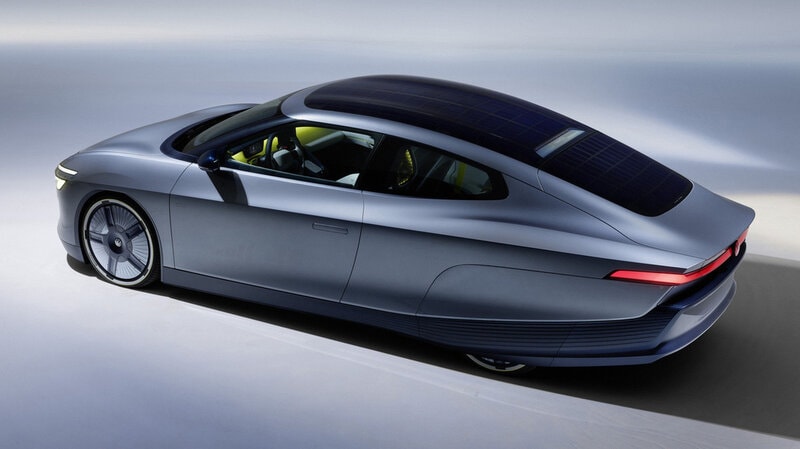
Volkswagen's Mission Efficiency prototype is a front-wheel-drive electric coupe built on the MEB+ platform, featuring an ID Polo–derived motor and battery that produce 135 horsepower and 195 pound-feet of torque. It was engineered around extreme slip with a quoted drag coefficient of 0.158 and a very small 22.4-square-foot frontal area to minimize aerodynamic drag.
The car set several efficiency marks for a near-production four-seat vehicle, consuming just 6.48 kWh/100km under ideal 42 mph conditions (9.59 miles/kWh). In a real-world run from Wolfsburg to Vienna it covered 784 miles, averaged 42 mph, topped 86 mph, and used a 54.9 kWh battery that needed one recharge and arrived with 102 miles of charge left, suggesting a theoretical range above 870 miles.
The Mission Efficiency keeps practical touches—a 2+2 layout, a 17-cubic-foot trunk, foldable rear seats and small storage boxes—while stripping interior weight with no fixed infotainment and a portable Bluetooth speaker. Its covered underbody, narrower rear axle and boat-tail silhouette show how aerodynamic reduction and lightness can translate to long electric range for a four-seat coupe.
Image Credit: Volkswagen
What Makes This Trend Stand Out
- Extreme-aero Evs
- Ultra-low drag bodies and reduced frontal areas create room for electric vehicles to deliver longer range without relying on larger, heavier battery packs.
- Minimalist Vehicle Interiors
- Stripped-down cabins with portable electronics and fewer fixed systems point to lower-cost, lighter mobility designs that still preserve everyday usability.
- Small-battery Long Range
- High-efficiency engineering enables modest battery packs to achieve headline range figures, reshaping assumptions around EV affordability, weight and resource intensity.
Sectors Adopting This
- Electric Vehicles
- Efficiency-first platforms may open competitive space for automakers to differentiate through aerodynamics, lightweighting and energy consumption rather than battery size alone.
- Automotive Design
- Boat-tail silhouettes, covered underbodies and narrowed axles signal new styling priorities where form language is increasingly dictated by measurable range performance.
- Battery Technology
- Vehicles that stretch smaller packs over greater distances highlight demand for battery systems optimized around usable energy, thermal stability and low-mass integration.