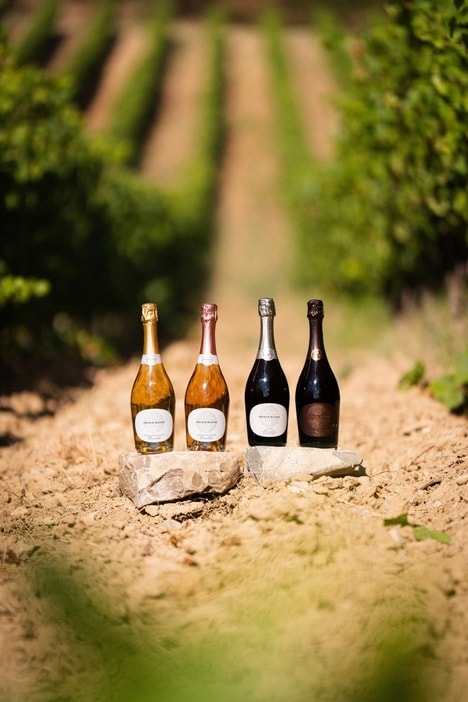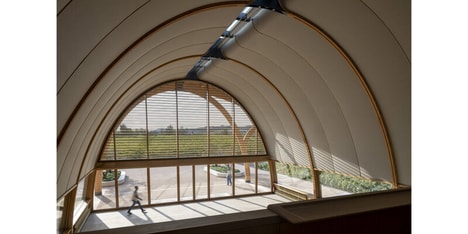
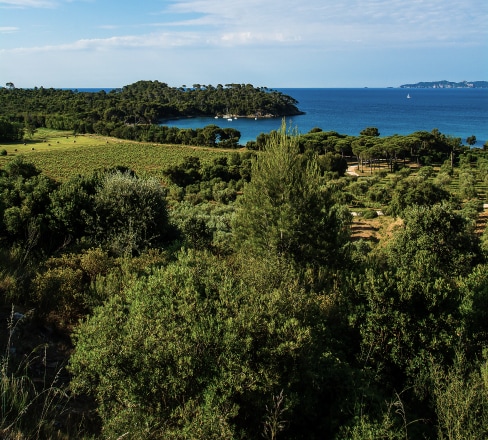
Château Léoube, the Bamford family-owned Provence estate, achieved B Corp certification with a reported assessment score of 92.7, recognising sustainability practices that extend across its vineyard, hospitality operations and broader estate management. The property spans 560 hectares of coastal land, with more than 75% intentionally preserved as wild, uncultivated space to support biodiversity, while its 70-hectare vineyard is managed according to organic and biodynamic principles.
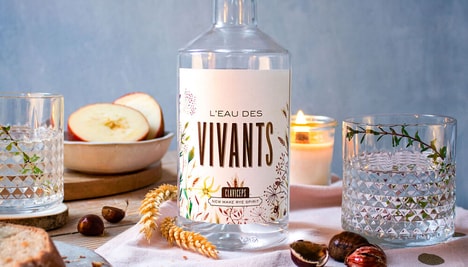
The estate combines traditional viticulture methods with circular sustainability initiatives, including cover crops, sheep grazing, wild seed banks and the repurposing of production byproducts into items such as gin, soaps and grape leather. Château Léoube also highlighted waste reduction and conservation measures through composting efforts at Café Léoube, wetland preservation projects and a continued zero-irrigation policy across the vineyard.
For consumers, the certification reinforces Château Léoube’s environmental and social commitments through a recognised third-party standard while supporting growing demand for transparent and regenerative wine production practices.
Image Credit: Château Léoube
What's Driving This Trend
- Regenerative Viticulture
- Widespread adoption of no-irrigation, cover-cropping and animal integration suggests scalable models for winegrowing that restore soil health while reducing input dependence.
- Circular Byproduct Valorization
- Turning grape waste into ancillary products like spirits, soaps and leather opens pathways for estates to create diversified revenue streams from existing production cycles.
- Certification Driven Transparency
- High-profile B Corp recognition and public scoring mechanisms create market differentiation opportunities tied to verifiable environmental and social performance.
Who This Affects Most
- Wine and Beverage
- Producers that integrate biodynamic practices and closed-loop processing could redefine premium provenance and command new consumer segments seeking verified sustainability.
- Luxury Hospitality and Estates
- Estate-scale conservation and experiential agriculture position premium destinations to reframe guest offerings around biodiversity, wellness and ethical stewardship.
- Agricultural Technology and Services
- Demand for tools that measure soil health, optimize regenerative practices and track sustainability metrics points to opportunities for platforms that aggregate field-to-label data.