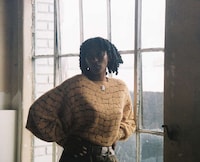
When the fashion powerhouse of Chinti and Parker combines with the masters of pattern Patternity, the resulting collection is a stunning interpretation of structures.
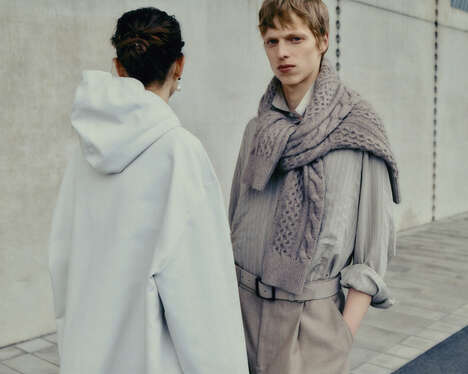
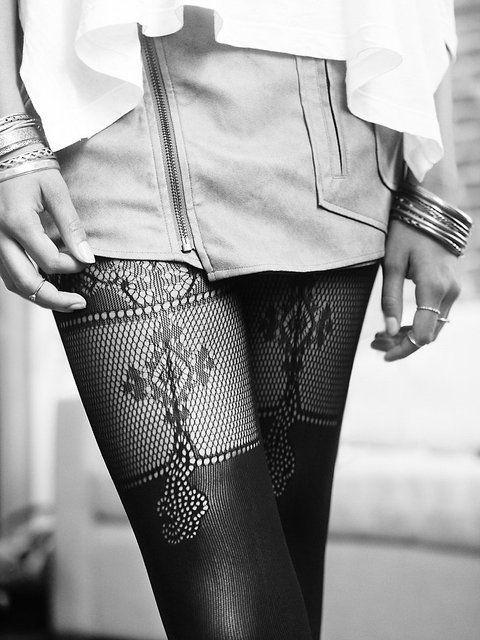
A knitwear collection was done in order to prepare for the upcoming fall season, and knits were the perfect accompaniment for the patterns. Using buildings and architectural structures as inspiration, the collection is a mix of prints, shapes and silhouettes. There is no color used, and the gray scale effect adds to the structure theme which replicates the buildings in a city. The lookbook contains a split screen image; on one side is the collection, and the other is a visually similar building.
This collaboration between Chinti and Parker and Patternity showcases abstract architecture, and it looks beautiful.
Key Themes Behind This Trend
- Architecturally-inspired Fashion
- The use of structural elements as inspiration for fashion design creates a unique and visually interesting aesthetic.
- Monochromatic Color Schemes
- The absence of color creates a chic and sophisticated look that emphasizes texture and structure in fashion design.
- Collaboration in Fashion Design
- Partnering with professionals from different industries can result in innovative and creative designs that push the boundaries of traditional fashion.
Where This Applies
- Fashion
- The fashion industry can explore new design possibilities by incorporating elements from architecture and partnering with professionals from other industries.
- Architecture
- Architects can apply their skills and expertise in shape, form, and structure to the design of fashion collections, creating unique and visually interesting garments.
- Pattern Design
- Pattern designers can collaborate with fashion designers to create innovative prints and patterns inspired by architecture and other industries, bringing a fresh perspective to the world of fashion.