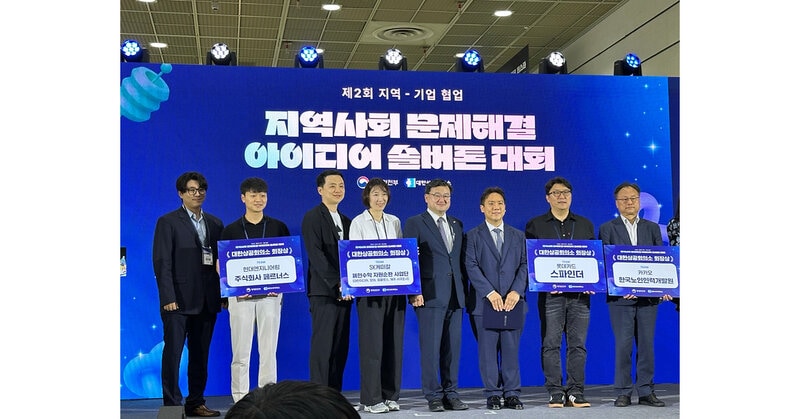
SK Chemicals is building a regional banner-recovery network that enables communities to collect used event signage and remanufacture it into material for new banners. The effort is taking shape through the 'Waste Banner Resource Circulation Consortium,' with depolymerization. This chemical recycling method breaks plastic down into raw feedstock, linking pickup, processing, yarn spinning, and manufacturing.
Collected banners first go to MOA for pre-treatment, then enter SK Chemicals' recycling process before Daehan Media turns the output into banner fabric and routes it back through its sales network. Upcloth also brings a collection model tied to local Self-Sufficiency Centers, adding a social-employment angle alongside the material loop.
For brands, this means short-life signage can begin to include a real recovery path rather than a one-time upcycling story. Regional buyers who print banners may increasingly expect local collection and remanufacturing programs to sit alongside production.
Image Credit: SK Chemicals
What's Driving This Trend
- Circular Event Signage
- Short-life promotional materials are moving into closed-loop systems where collection, recycling, and remanufacturing are built into the original product lifecycle.
- Chemical Recycling Networks
- Depolymerization-based recovery models create opportunities to turn mixed or difficult plastic waste into reusable feedstock for commercial materials.
- Social Impact Recycling
- Community collection partnerships connected to employment programs add social value to resource recovery while strengthening local circular infrastructure.
Who This Affects Most
- Event Marketing
- Banner recovery programs could reshape temporary signage procurement by making end-of-life management a standard part of campaign planning.
- Textile Manufacturing
- Recycled feedstock from used banners supports new material streams for producing fabrics with verified circular sourcing.
- Waste Management
- Regional pickup and pre-treatment systems position waste operators as key partners in converting promotional plastics into manufacturing inputs.