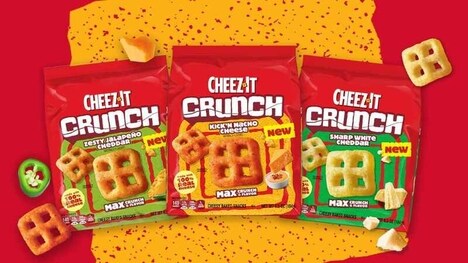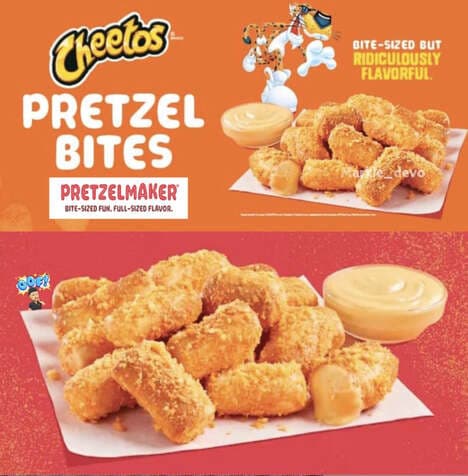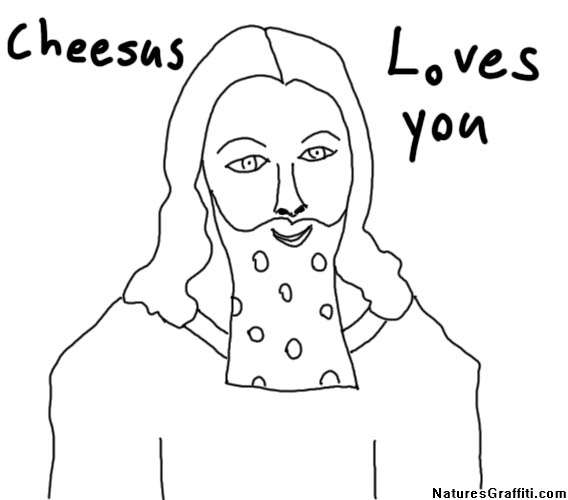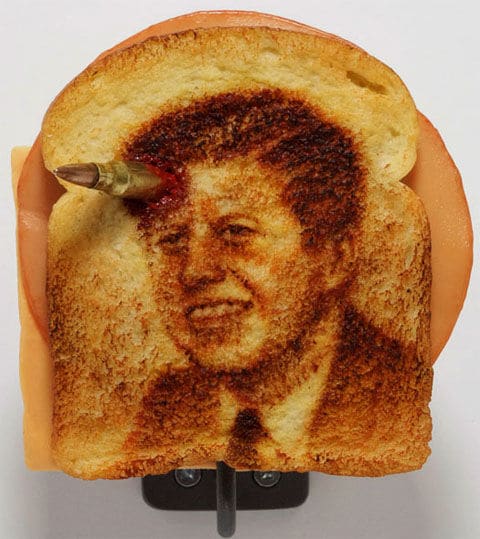

There have been many stories about people who have found Jesus in the most unlikely places. This time, in Dallas, a couple has reportedly found Jesus in a 99-cent bag of Cheetos.
Dan and Sara Bell nicknamed the figure, who looks like it is robed and praying, “Cheesusâ€. Although it is missing a right arm, the Dallas couple are certain Cheesus has a body, hair, robe, and a face.
Implications - Youth consumers are eager to see beauty manifested in mundane and everyday objects. This stems from a subversion of traditional dichotomies good/bad, high/low and other similar ones. Companies should take this mindset into consideration when approaching this demographic with a new product or service
What's Driving This Trend
- Religious Iconography in Pop Culture
- Incorporating religious iconography in popular products may appeal to young consumers who seek beauty in everyday objects.
- Novelty Snacks
- Creating unique and fun snack products, such as finding shapes and figures in snack foods, may attract consumers looking for a lighthearted and enjoyable snacking experience.
- Viral Marketing Through Unlikely Discoveries
- Promoting unique and unexpected discoveries found in products can potentially lead to viral marketing and increased brand awareness.
Who This Affects Most
- Food and Beverage
- Companies in the food and beverage industry can create novelty snack products that incorporate unique shapes and figures to create an enjoyable and memorable snacking experience.
- Consumer Goods
- Consumer goods companies can incorporate religious iconography in everyday products to appeal to young consumers who seek beauty in unexpected places.
- Marketing and Advertising
- Marketing and advertising agencies can create campaigns that promote unique and unexpected discoveries found in products to potentially increase brand awareness through viral marketing.