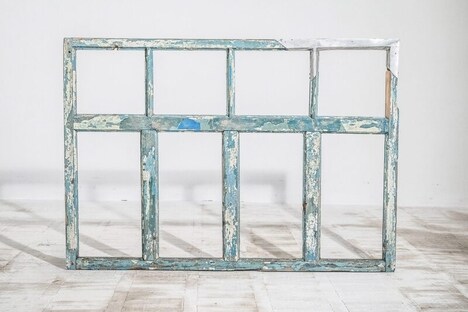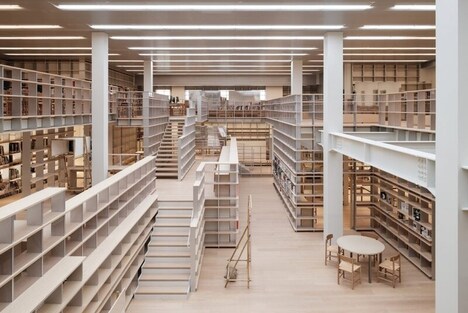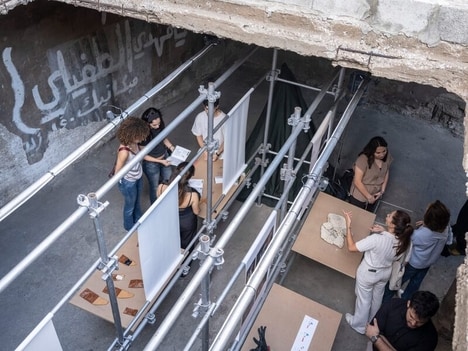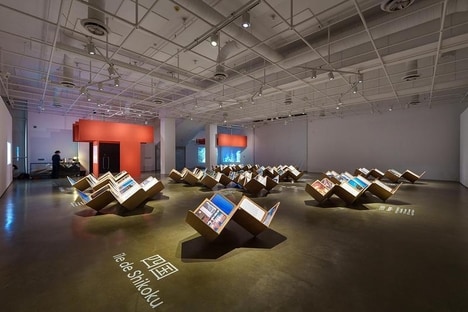
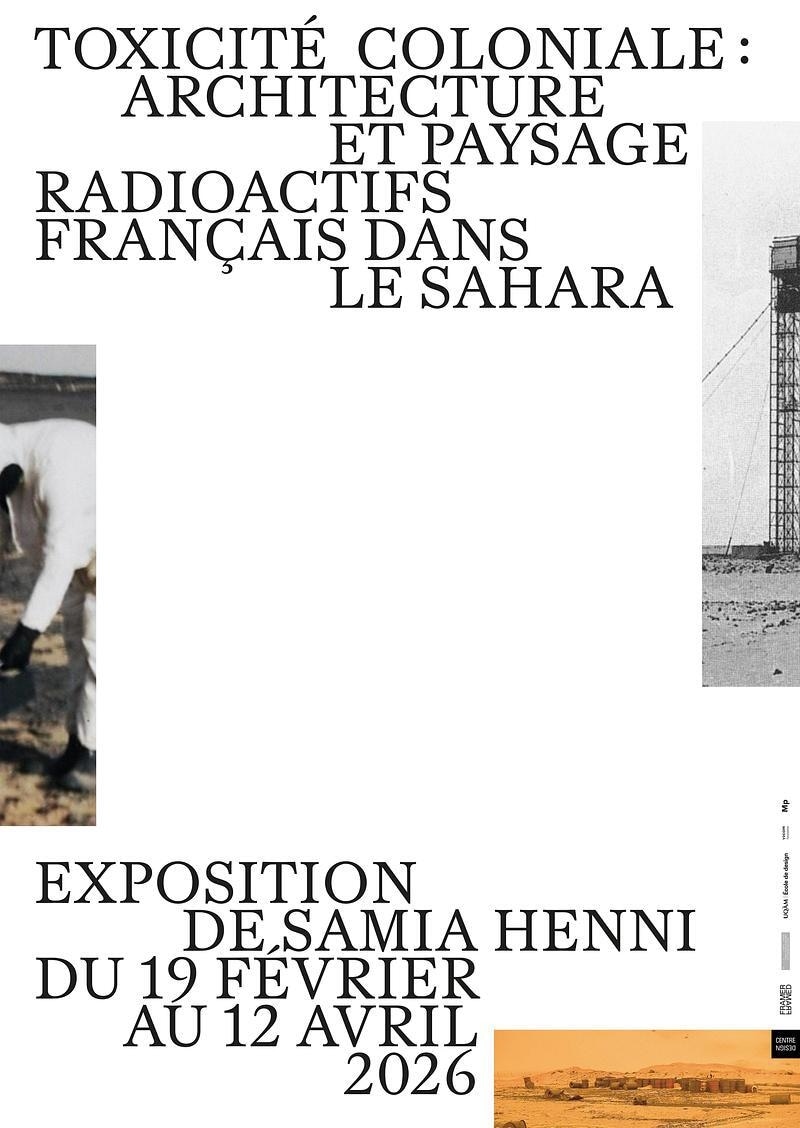
The Centre de design de l'UQAM is presenting the exhibition 'Toxicité coloniale : Architecture et paysage radioactifs français dans le Sahara' by historian and curator Samia Henni, which documents the French colonial regime's detonation of four atmospheric and 13 underground nuclear bombs in the Algerian Sahara between 1960 and 1966, along with the lasting contamination of living bodies, natural environments, and built structures across Africa and the Mediterranean.
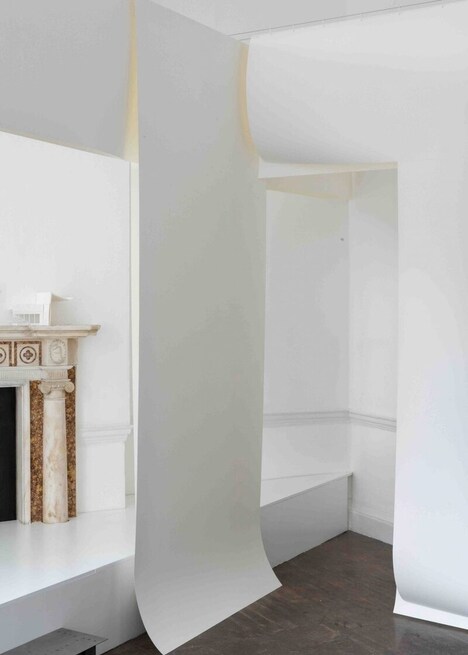
The exhibition uses an immersive multimedia installation consisting of 13 audiovisual stations organized by lightweight paper partitions suspended from binder rings. The display features government documents, military records, handwritten victim testimonies, enlarged archival images, video footage, and an ambient audio track of desert wind, with some pages intentionally left blank to indicate the absence of still-classified archives.
The exhibition also functions as a call to action, demanding the declassification of secret archives and the decontamination of territories where Saharan populations still live.
Image Credit: Graphic design by Supersystème, Benoit Rousseau
Key Themes Behind This Trend
- Immersive Archival Storytelling
- Immersive multimedia reconstructions of contested histories that blend audiovisual stations, tactile artifacts, and fragmented archives to deepen public engagement and evidentiary narratives.
- Declassified Data Platforms
- Secure platforms for staged declassification and authenticated archival publishing that bridge state-held records and public historical accountability through verifiable metadata and access controls.
- Environmental Contamination Monitoring
- Long-term radiological and ecological monitoring systems combining in‑situ sensors, remote sensing, and geospatial analytics to map legacy contamination across landscapes and built environments.
Where This Applies
- Museum and Exhibition Design
- Modular, low‑impact exhibition systems and ethical curation services that prioritize sensitive storytelling, community testimony, and adaptable multimedia installations.
- Remote Sensing and Environmental Monitoring
- High-resolution satellite, airborne, and ground sensor networks integrated with analytics platforms for detecting residual radioactivity and tracking environmental recovery over decades.
- Legal and Historical Research Services
- Specialized forensic archiving, provenance verification, and legal-documentation practices supporting reparative claims, historical truth-seeking, and the adjudication of state accountability.